This Halloween, revisit Bram Stoker’s immortal 1897 opus.



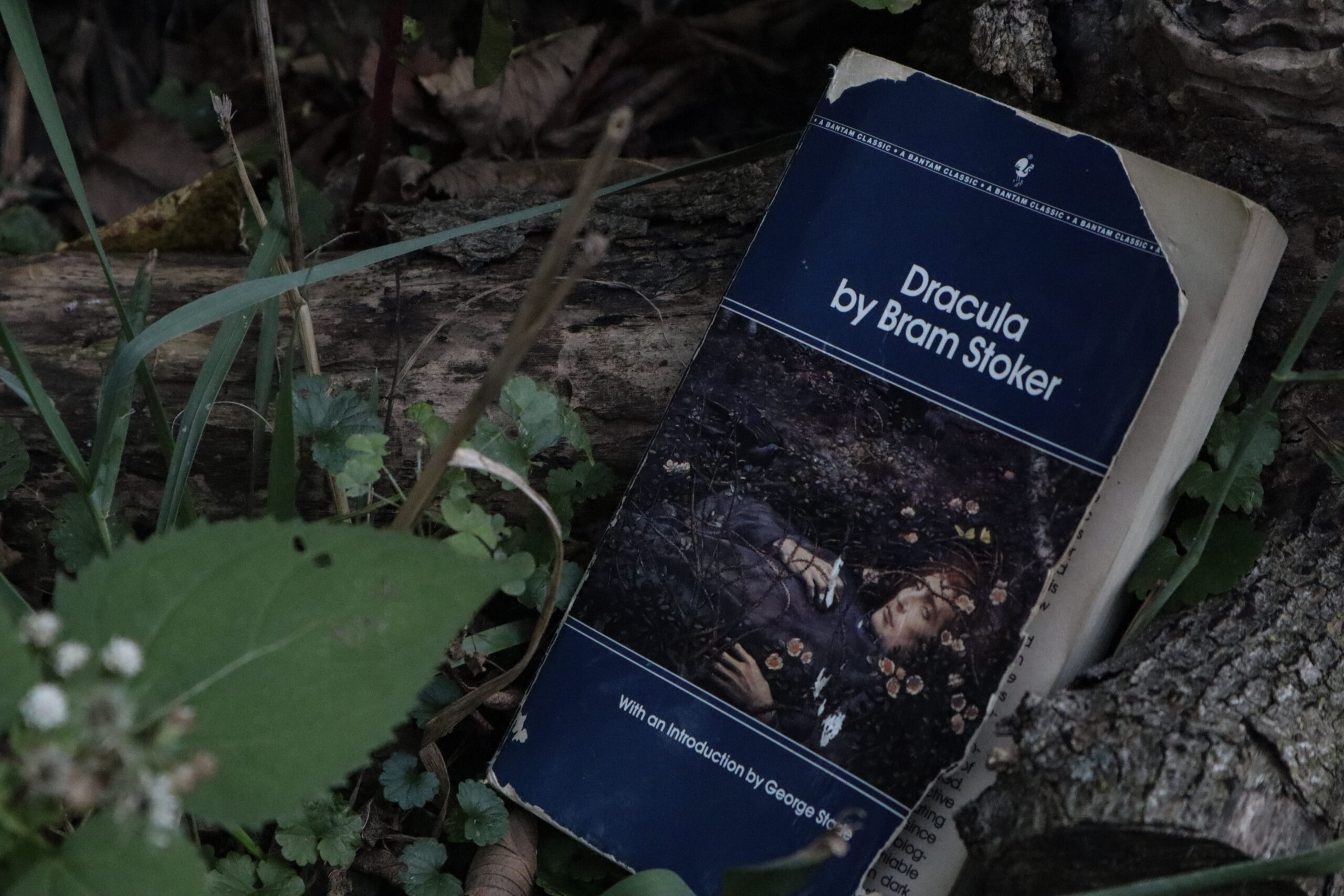
Lifetimes later, the dark and intricate world of Bram Stoker’s “Dracula” keeps its high standing as an emotional, gripping and worthy read.
People keep returning, whether to adapt it to film or television, to write a new vampiric story or — as most people do in the month of October — to re-experience the vast array of disturbing emotional storytelling that earned the book its place among classics.
The untraditional book is composed of journal entries, letters and news clippings documenting the protagonists’ journeys and other events over the course of months. Making Dracula’s movements apparent but still mysterious, news articles investigate an escaped wolf and an unseen woman leaving bitemarks on children’s necks.
Jonathan Harker, a real estate agent forced to travel to Transylvania, keeps his journal in the opening act making him an endearing hero, someone easily loved for his pure intentions. He writes about his beloved fiance Mina, his fears being in a strange new land and eventually his prolonged stay at the old, unnerving castle. His true thoughts and emotions are laid bare in personal notes, and the level of authenticity facing these troubles makes certain readers understand and relate.
The immediate one-on-one Harker has with Count Dracula makes the following hundreds of pages in which the vampire moves silently in the background much more tense and anxious, leaving plenty of space for the characters and relationships to develop.
Stoker uses epistolary style ingeniously, leaving the reader in anxious suspense when Jonathan stops writing in his journal. He then shifts narrators to Mina, who writes to her friend about her more mundane daily troubles, introducing the two characters.
Stoker leans hard into likeable characterization of the main cast. Two sweet couples, two intelligent doctors and a fearless, polite cowboy who all care deeply for one another put their minds together for the sake of themselves — and the world.
Dr. Van Helsing, the older academic with significant knowledge of vampires, and Renfield, the lunatic asylum resident who serves Count Dracula — although neither as famous as the titular monster — continue to keep high cultural relevance because of their simple but entertaining archetypes, reminiscent of the commedia dell’arte.
The most memorable scenes are told, not through the main characters’ journals, but through various other papers, like a captain’s log and news reports.
Depicted through a skeptical captain’s log, the slow, imminent demise of the ship carrying Count Dracula to London as he systematically kills every crew member is documented. It became such a universally terrifying and iconic chapter that it later spawned its own film in 2023, “The Last Voyage of the Demeter.”
Notably, the captain denotes Dracula with a capital H — using “He” and “His,” as one might God, signifying his belief that the invisible beast aboard the ship and his own inevitable death can only be something divine.
The novel’s back half spends a lot of time detailing the logistics and planning of Van Helsing and friends, the group slowly figuring out the Count’s intentions, movements and weaknesses. While feeling heavy, slow or more of a slog to get through, it makes the final scenes of the book so much more satisfying after reading through every detail of Van Helsing’s meticulous planning.
Film, TV and theater adaptations of “Dracula” have been made and re-made for a hundred years, but nearly every one attempts to streamline the plot and characters, failing to understand how to end it. Often, multiple characters are merged into one, preferring to remove the loving community of characters in favor of a traditional hero story.
The source material, on the other hand, tells a story of hope. Stoker shows how love — especially platonic love — not fear, is the chief motivator in all humans. Count Dracula, inhuman and living in near complete solitude, simply doesn’t understand. When he threatens, kills and hypnotises those loved so greatly by so many, it only makes his failure certain.
Despite the intense horrors procured by Count Dracula they face every day, they never turn on one another, because keeping these deeply troubled men and women from falling apart is each other’s persistent support.
“Dracula” tells this platonic love story at the forefront of every page, while the Count lurks in the background. Despite the obvious tense waiting and rising fear, the reader can’t help but feel confidence in the empathetic lovers.