In the last 20 years, dropshipping has been on the rise, allowing young, entrepreneur-minded individuals to sell products without keeping inventory.



Content warning: sexual violence
A product sold online for $40 might cost its seller less than half that amount. The difference looks like easy money until advertising, supplier fees, refunds and other expenses enter the equation. Across the internet, self-titled entrepreneurs are selling the promise of financial independence to people hoping to build profitable online stores.
This is dropshipping, a retail model built around seller convenience. Its growing appeal in the online age comes from a relatively low entry barrier and the possibility of running an online business without necessarily needing to purchase inventory in advance.
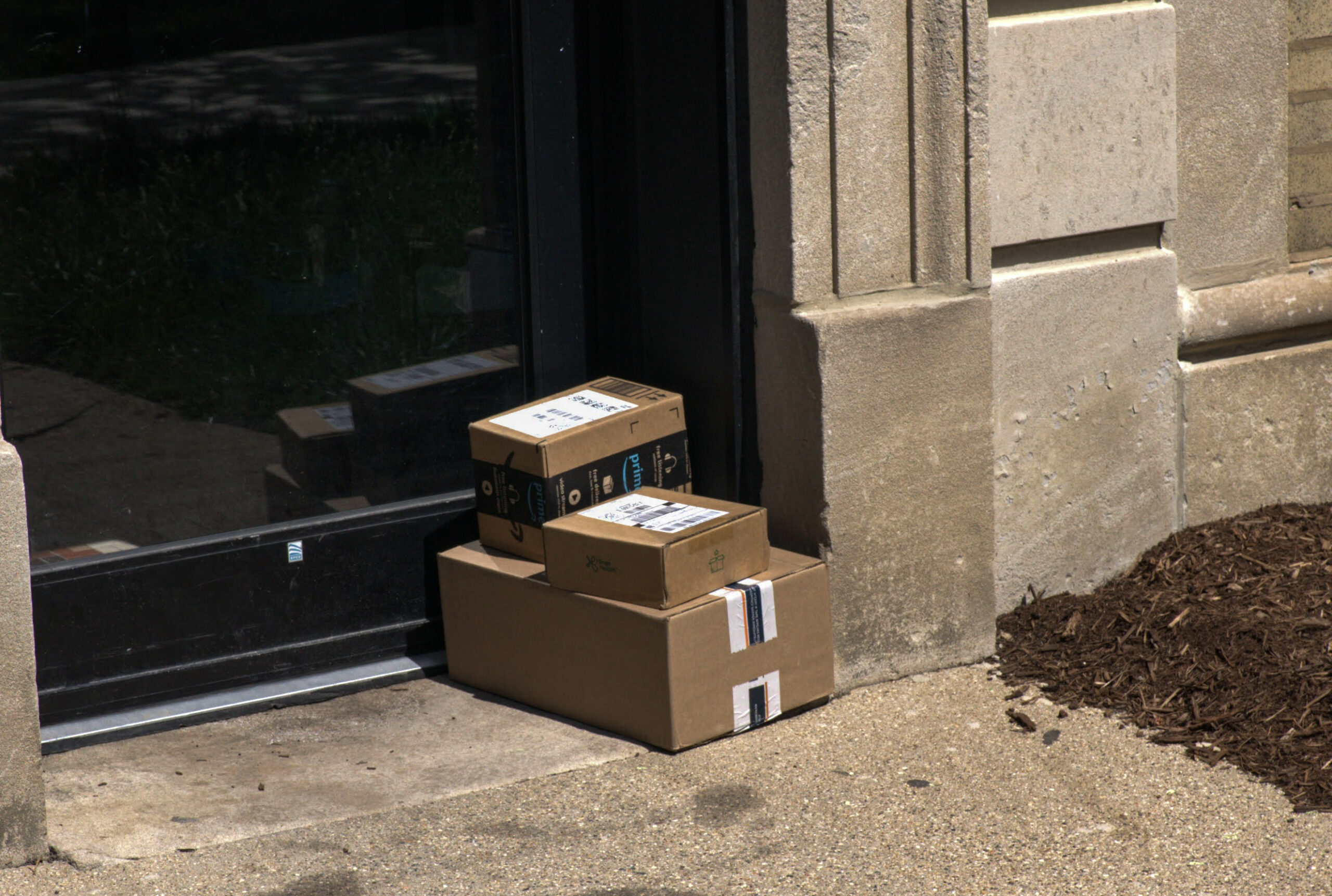
Dropshipping allows retailers to sell products without storing or, ironically, shipping them personally. When a customer places an order, the seller forwards it to a supplier, who fulfills the purchase. Vendors typically avoid inventory management and warehousing, which allows them to focus on marketing and building their storefront.
On paper, the arrangement makes sense, but in practice, dropshippers are participating in a get-rich-quick scheme, where hidden costs and social media portrayals of wealth may lead to their downfall.
Traditional retailers must purchase inventory before knowing how much they can sell, but dropshippers can test products without taking on the same upfront inventory costs. Anyone with an internet connection can enter the market without ever having previous business experience.
However, removing one expense doesn’t eliminate the costs of doing business.
Shopify’s guide to dropshipping profitability notes margins vary considerably depending on the supplier and business arrangement. They distinguish the open marketplace, where typical margins can fall between 10% and 15%, from certain established supplier networks with higher margins, reaching up to 50% profitability.
However, those figures aren’t guaranteed, and gross profit shouldn’t be confused with take-home earnings after advertising and operating expenses. A store generating thousands of dollars in revenue can look impressive without revealing what its owner spent to generate those sales in the first place.
Second-year biomedical engineering student at the University of Illinois Urbana-Champaign Ahamad Ali said his initial investment of $200 didn’t even cover the starting fees Shopify charges its customers.
“If I sold 20 items, I would make around $600, and after fees, pocket about $500,” Ali said. “There was a lot of time being consumed and not a lot of money being made, and time is money.”
The business model’s popularity is closely connected to social media, where entrepreneurship is frequently packaged as an accessible route to independence.
Videos promise flexible schedules, stacks of money or the ability to purchase a $300,000 car and drive around Miami. For someone balancing school, rent or an entry-level job, the prospect of building an income stream from their laptop can be difficult to ignore.
The format of these platforms makes the idea particularly convincing. A creator can display sales dashboards, expensive purchases — like the aforementioned Lamborghini — and screenshots of revenue to establish credibility with an audience. However, these displays rarely provide a complete picture of the business.
The appeal of dropshipping fits neatly into the online “grindset” culture popularized by influencers like Gary Vaynerchuk, better known as GaryVee. He argues opportunities in dropshipping come exclusively to those who’re willing to work hard and have the drive to sell products online.
The problem arises when the image of success becomes more persuasive than the so-called evidence behind it. A video showing a luxury car or screenshots of thousands of dollars in sales doesn’t actually establish how much someone earns.
Another popular “grindset bro,” Andrew Tate — who was arrested in July and is facing a total of 59 criminal charges, including rape and human trafficking for sexual exploitation — has garnered an audience across social media platforms by preaching that conventional jobs require settling for less, while those willing to hustle can supposedly build wealth on their own terms.
Dropshipping, then, becomes an attractive proposition within this worldview because it offers a seemingly accessible route to becoming an entrepreneur.
Ali said he was lured into the dropshipping market through social media, but ultimately realized content creators are embellishing the experience.
“I saw this as a shortcut to making big money; I didn’t want to go to Costco and work a job. I didn’t want to do a 9-to-5,” said Ali. “A lot of [content creators] show this fantasy of the world that is not very realistic, and in doing so, a lot of people follow them and lose money. There’s a lot of behind-the-scenes stuff that they don’t show you.”
Furthermore, the Federal Trade Commission (FTC) warns consumers about business coaching programs — like Tate’s “Hustlers University,” which costs $99 per month — promising substantial income with little experience or effort.
In its guidance on business and coaching scams, the FTC identified guaranteed earnings, supposedly proven systems and pressure to purchase expensive mentoring guides as warning signs for those new to e-commerce.
In fact, the FTC has brought cases against companies accused of making deceptive claims about e-commerce opportunities, including Automators, another online storefront, whose operations faced restrictions following allegations involving promises of passive income from online storefronts.
This isn’t to say social media has no legitimate role in entrepreneurship. Platforms can help sellers identify consumer trends, advertise products or reach customers without the expenses behind traditional marketing, but a viral video can’t substitute for a viable business plan.
When financial success is presented as a lifestyle anyone can purchase their way into, the line between learning how to build a business and being sold the dream of one becomes increasingly difficult to see.
Ali said the most important step for those considering dropshipping or e-commerce is understanding the risks rather than looking to get rich quick.
“To be honest, there are no shortcuts in making money, or at least, honest money,” Ali said. “So I wouldn’t tell them, ‘Oh, don’t do this, do this instead.’ I would say they should do their research before they put even a cent into the business.”