The recent news regarding sexual assault and rape on campus has led to a greater discussion on the lack of support for women in college.



Content warning: sexual violence, rape
Over the course of seven hours in the fall of 2024, seven members of the Chi Phi fraternity chapter at Cornell University allegedly drugged and gang-raped one of their female peers. Nearly two years after the alleged assault, The Cornell Sun Times, the university’s student paper, published several articles about the case after she filed a civil complaint Sept. 14 against the university, the fraternity and her accused assaulters.
Choosing to remain anonymous under the pseudonym Jane Doe, the complainant accused Cornell, the fraternity and personnel involved in her case of negligence and breach of contract to protect Doe from the seven perpetrators.
The horror of the alleged attack spread like wildfire on social media, with roars of outrage coming from primarily women on various platforms. Not only were they disgusted by the actions reported that night in Oct. 2024, but also by the lack of comparable consequences for the seven men following the report of the assault.
When I first learned about this case, though, it wasn’t anger or despair I was filled with — it was an all-consuming numbness resulting from years of exposure to the multitude of cases where women were dehumanized for the pleasure of others and didn’t receive justice.
A quintessential part of growing up as a girl is learning to be cautious, to find ways to protect ourselves in any circumstance so no one can take advantage of us. We’re trained to subconsciously watch our shadows and check reflections in passing windows to ensure we aren’t being followed.
We’re constantly formulating an escape plan in the back of our minds because it doesn’t matter how much you trust a person if you can’t read their mind. Even if you think you know them well, the thought still lingers in the back of your mind as most women are assaulted by people they know personally.
At this point, I — and likely many other women — have been conditioned to no longer question if rape will be a part of our stories, but when it will.
According to the World Health Organization, one in three women globally have experienced some form of sexual violence at some point in their life. Over 80% of women in the United States have been sexually harassed, and one in five have experienced attempted or completed rape, according to the National Sexual Violence Resource Center.
Now, roughly the same age Jane Doe was at the time of her alleged assault at Cornell, sexual violence has been a part of my life for over a decade, and I can’t see a future where this stops anytime soon.
Fifth grade was the first time I was sexually harassed by one of my peers. Playgrounds, cafeterias and classrooms filled with childhood laughter transformed from places of K-12 education to settings for objectification by male students who believed touching me inappropriately or threatening to do so was the best way to get what they wanted.
Despite my young age, I recognized these actions were wrong and immediately reported each incident. But like Jane Doe at Cornell, these acts of sexual violence largely went without reprimand from school administrations.
It’s no shock to me the punishment for a report of a seven-hour gang rape was largely essays when I walked the stage for my high school graduation with the same student who threatened to rape me four years prior. I learned to expect apathy for victims when the excuse I received for my harasser’s words was distress due to the death of a family dog.
Even though I spent the better part of that year looking over my shoulder, I got to consider myself one of the so-called lucky ones because it was an empty threat.
While sexual violence doesn’t always start in college, this period of transition into adulthood sees an increase in these crimes on college campuses. A reported 26% of undergraduate women and 7% of undergraduate men experienced nonconsensual sexual contact during their time in higher education according to the Rape, Abuse & Incest National Network.
Director of Health Promotion at Loyola’s Wellness Center and the campus’ gender-based violence advocate Mira Krivoshey said the prevalence of college sexual violence can be linked to presumed gender norms, heightened risk-taking and power differentials amongst students.
“There’s also a lot of scripts we are taught about what college is meant to look like,” Krivoshey said. “That college is a time to party and experiment with substance use. When you add alcohol, and you add other drugs, that makes communicating consent and understanding consent a lot more difficult.”
In November 2025, pornographic videos and pictures of then second-year at the University of Florida Maddie Kowalski taken at the university’s Phi Delta Theta fraternity house went viral on Snapchat, YikYak and X.
Like Doe, Kowalski wasn’t able to consent to these sexual acts due to debilitating intoxication and could hardly recall the nights of her assaults when the content circulated.
Not only harmed by sexual assault, Kowalski and her family became the targets of an internet attack involving leaked personal information and threatening messages, which led her to drop out of UF.
Similarly, a previous lawsuit filed by 10 women against Loyola for sexual assaults that occurred while they were students has regained attention since the case at Cornell broke.
In 2023, one of the former students said she was assaulted by a serial rapist in 2019 Loyola had already received reports about, The Phoenix reported. Another shared she’d taken her emotional and physical safety into her own hands when the university wouldn’t prevent her abuser from registering for the same class as her the next semester.
This isn’t the only case of sexual misconduct reported to have occurred at Loyola, as a former student-athlete was admitted to the university on scholarship despite being charged with rape his senior year of high school.
In 2024, three rapes were reported on campus, and in 2025, those numbers doubled, as six rapes were reported in Lake Shore Campus housing, The Phoenix reported.
In a bi-yearly anonymous Speak Up survey conducted by Loyola and released in 2024, 58% of students said they experienced sexual harassment in the past 12 months, with 13% of respondents saying they experienced sexual violence in the same time frame, The Phoenix reported.
Acknowledging the prevalence and long history of sexual violence, Krivoshey, who teaches a course called Sexual Assault Advocacy at Loyola every spring, is hopeful for future change.
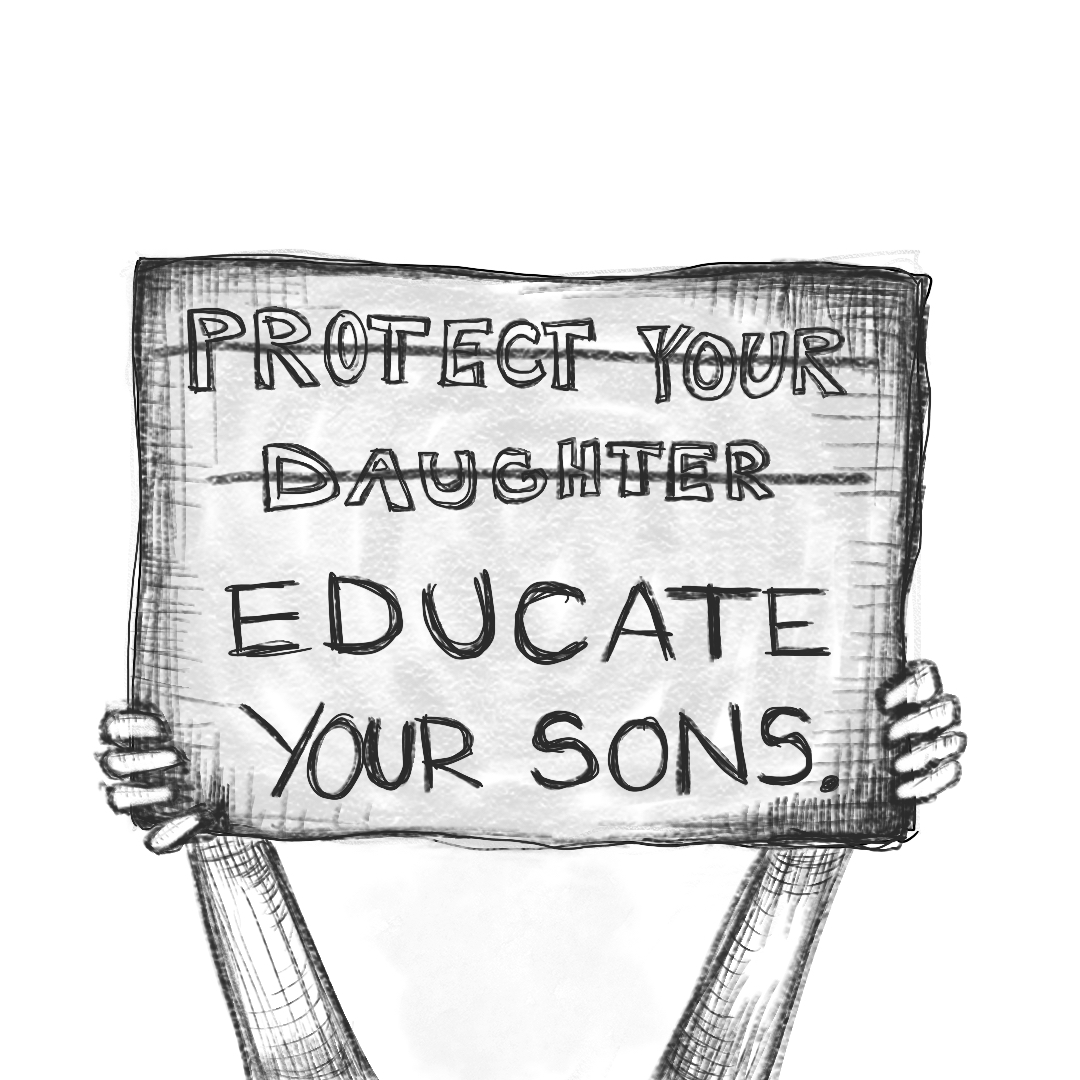
“Every year, I see an influx of students who really care about this topic and want to make a change,” Krivoshey said. “They make a difference within a group of people because they don’t tolerate rape jokes, or they educate about healthy relationships, or they practice consent in their own lives.”
Perhaps there will be a future where shadows are only examined to create chalk outlines and keys placed solely into locks, not in the divots of fingers. But dreams coming true on shooting stars are from fairy tales read when we believed covers could protect us from monsters under the bed. Little did we know, the monsters didn’t care if we hid under covers when they could rip them off and lie right beside us.