Emerald Fennell’s controversial adaptation proved more confusing than compelling.




The new and controversial adaptation of Emily Brontë’s 1847 novel “Wuthering Heights” is bold and dramatic, blending the classic ideas of Brontë’s story with a fantasy version from writer-director Emerald Fennell’s own mind.
The film follows the timeless and tragic love story between childhood companions Catherine Earnshaw and Heathcliff with the gothic backdrop of the Yorkish moors. The adaptation was initially met with controversy due to Fennell’s boundary-pushing adaptation of the convoluted classic.
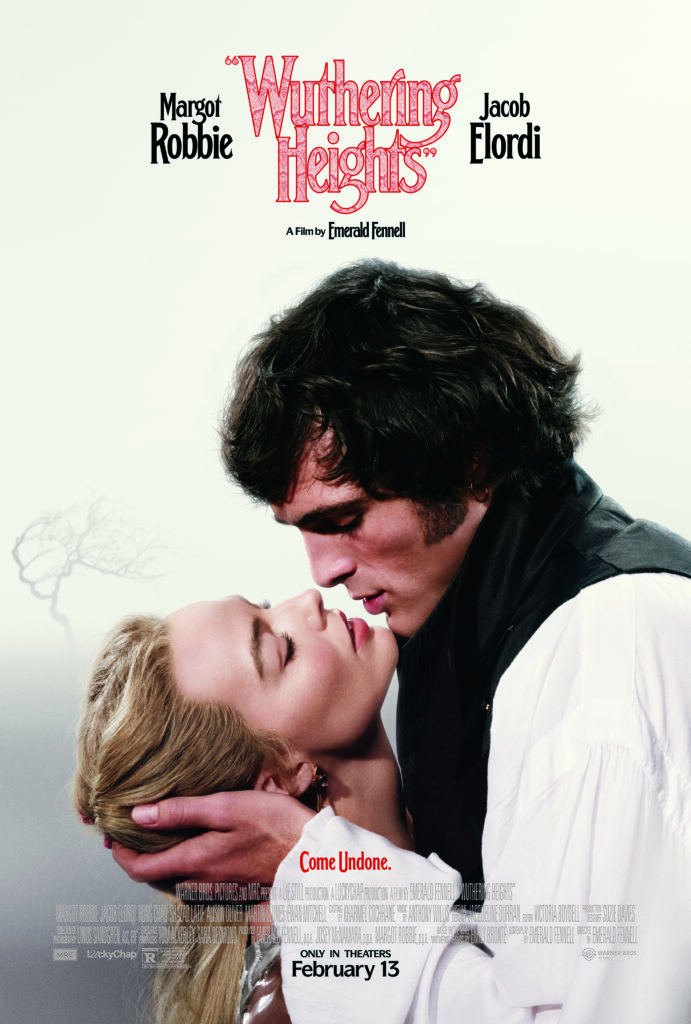
Those anticipating the movie may have noticed quotation marks around the film’s title in the trailer and posters. In an interview with Fandango, Fennell (“Promising Young Woman,” “Saltburn”) explained she doesn’t believe she could adapt a book as “dense” and “complicated” as Brontë’s “Wuthering Heights.” She claimed she could only make a version of the book, a version more of her own vision than of the book’s actual plot.
Several differences lie in Catherine and Heathcliff’s relationship. It’s during their interactions that the selfish, childish nature of Catherine, a Lady focused on social elevation and the obsessive, destructive traits of Heathcliff, a servant turned wealthy landowner who was raised with Catherine, are both at their heights. Fennell also takes liberties to add new scenes between them, their relationship becoming more dramatic and erotic as the film narrows in its evolution instead of depicting the book’s plot play-by-play.
In Brontë’s book, Catherine (Margot Robbie) is depicted as selfish and dramatic while torn between her love for Heathcliff (Jacob Elordi) and her wish to elevate her social status. In this film, Catherine’s dramatics are especially blatant as she’s often seen throwing herself on the floor, crying or ignoring all possible consequences — including threats to her health —when making decisions in regard to Heathcliff. She’s made to seem so in love with Heathcliff that she can’t help but be this way.
Heathcliff’s character has also been changed to fit the movie’s portrayal of a tragic and toxic romance. Brontë’s novel details a cruel and wild character with a consuming love, who also challenges the strictness of social hierarchy and ideas of race at the time, as he was originally written to be “dark-skinned” in the late 18th century. To fit Fennell’s version, Heathcliff focuses more on his all-consuming love Catherine. He was a less monstrous and more passionate figure remembered for his romantic but toxic side instead of his dark and vengeful tendencies.
Margot Robbie’s (“The Suicide Squad,” “Barbie”) skilled portrayal managed to simultaneously capture Catherine’s tendency to be self-centered and shallow, as well as her underlying, complicated depth that came with her relationship with Heathcliff. Similarly, Jacob Elordi (“Euphoria,” “Frankenstein”) was excellent in his ability to pair a welcomed cheekiness with Heathcliff’s cruel and broody character.
To keep the movie as the story of an obsessive and destructive romance, Fennell omits many parts of the original novel, removing key characters, compressing the timeline of the story and completely cutting out the second half of the book. As a result, “Wuthering Heights” becomes a more focused and intense story of two passionate lovers doomed from the start.
The film also includes a series of added scenes in which Catherine and Heathcliff are engaged in a secret and steamy affair forcibly ended by Catherine’s husband, Edgar. It’s the end of this affair that sends Catherine spiraling into a depressive episode, ultimately leading to her doom.
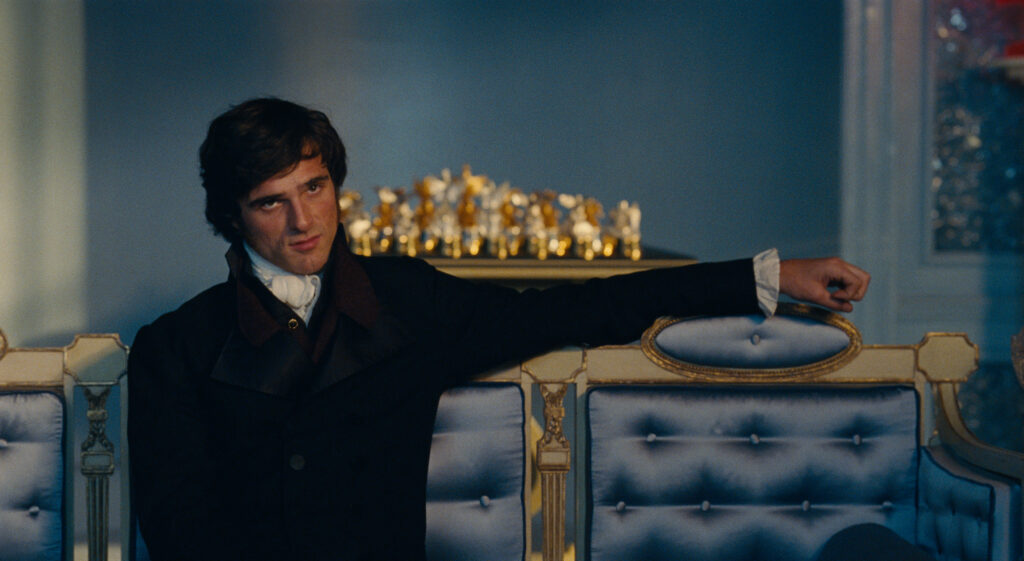
Fennell’s addition of this affair gives the audience time to experience what the two characters could be like as an adult couple, allowing watchers to grow even more attached to the idea for a happy ending for the two and making it even more devastating when they are separated.
In addition to the film’s shift to a more sexualized and crushing love story, it’s also more comedic. The tragedy goes from purely gothic to playful with satire and wit. Some of the darker themes of the original story, including Heathcliff’s viciousness in his abusive marriage, are relieved with witty comments, physical humor and many absurd visuals.
While the comedic moments in the movie were enjoyable, they distracted from the truly tragic nature of the original story. However, Fennell manages to reincorporate some of that tragedy in the ending.
Through the set design and costumes, Fennell opens the door for the viewers to feel completely consumed by the film. The intensity and extravagance of the colors, patterns and size of the set pieces catch and hold attention, illustrating a feeling akin to falling down the rabbit hole to Wonderland. It feels almost impossible to take it all in during the first watch.
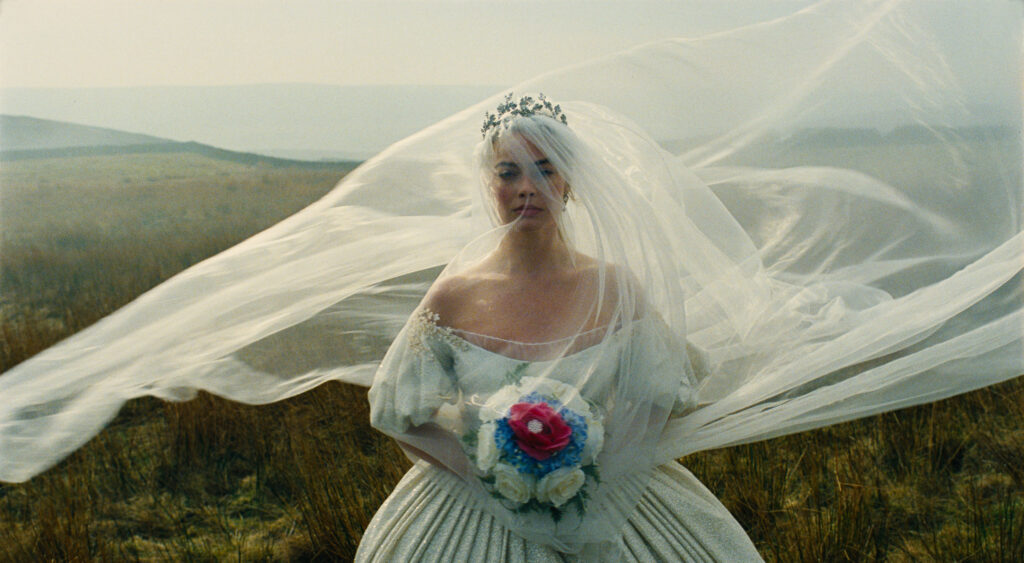
The costumes disregard historical accuracy and focus more on using bold colors and a variety of unique materials to reflect the untamed style of the movie. In many cases, the costume color choices were also used to visualize the emotional states of the characters, especially Catherine whose extreme moods change on a whim.
Instead of a faithful adaptation of the original “Wuthering Heights,” with complex political and social themes, Fennell created a reimagined version that focuses on making the audience feel the effects of being a part of the toxic and intense romance between Catherine and Healthcliff. For those who want a film honoring the original book, Fennell’s adaptation may be something to skip, but for viewers with a love for the passionate, toxic bond between Catherine and Heathcliff… this film is for them.
“Wuthering Heights” is in theaters now.