Managing editor Julia Pentasuglio reflects on the dire themes of this 1993 thriller.



Content warning: Suicide
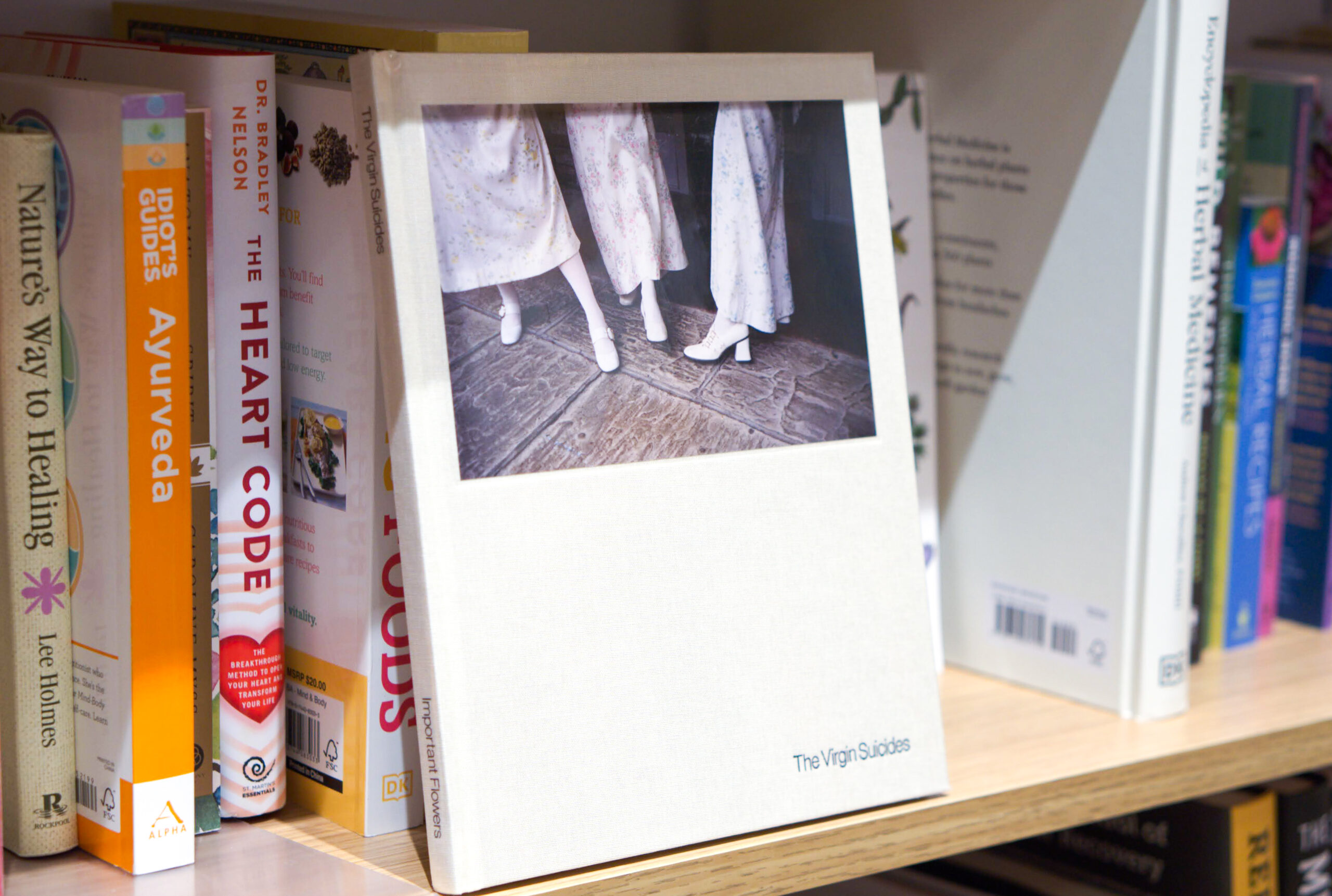
Originally published in 1993, “The Virgin Suicides” by Jeffrey Eugenides supposedly recounts the short and mystically confiscating lives of the five beautiful, blonde-haired Lisbon sisters before they all commit suicide in their Michigan suburb.
Supposedly, because the coming-of-age thriller ends with decidedly little information about the sisters. By the end of the book, they are still wrapped in mystery for the now-grown up neighborhood boys who tell their story. Over 30 years later, the disturbing look into the persisting perversion of adolescence still haunts readers’ mind.
Without ever really knowing the Lisbon sisters, what the reader is left with by the end of the book is a sickening look into the minds of boys whose infatuation with the girls — aged 13 to 17 — turns tragedy into adolescent fantasy.
Told almost journalistically, the narrators share the story of the Lisbon girls’ death by piecing together the accounts of friends and neighbors who witnessed the deterioration of the family’s house — and ultimately their lives — after the youngest daughter, Cecelia, commits suicide first.
Where Eugenides thrives as a writer is in his descriptions of the particular details, which make the already catastrophic suicides even more tangible and disturbing. When Cecelia jumps out her window to kill herself by landing on a fence post, the Lisbon’s sprinklers turn on as the EMS workers attempt to lift the 13-year-old off the fence into an ambulance.
The mystery and gruesomeness of her death are brought back to monotonous plainness of suburbia with every drop of the sprinkler, seemingly indicating the disastrous continuation of life despite the unraveling of the Lisbon family.
Similarly, while the Lisbon parents are mourning their dead daughters en masse, the town’s grave diggers are on strike, leaving the bodies to wait in freezers for the diggers’ negotiations to conclude.
As the narrators explain, that small detail wouldn’t have mattered to anyone, except to Mr. and Mrs. Lisbon, who needed to bury all five of their daughters in the midst of the strike. Seemingly, Eugenides shows despite the narrators’ obsession with the girls, the rest of the suburb didn’t revolve around them.
But to boys “in love,” the Lisbon girls were all that mattered. Their so-called love placed the sisters on a pedestal of sexual perfection and girlish whimsy.
Collecting stories of 14-year-old Lux Lisbon’s sexual prowess and fantasizing about bras hanging on crucifixes and makeup shoved into drawers in the girls’ shared rooms, the neighborhood boys are obsessed with the peculiarity of sisterhood.
To the boys, girlhood is a painful yet whimsical feeling they themselves could never experience, though they tried. Reading Cecelia’s diary, the narrators attempt to live in the Lisbon sisters’ heads, imagining their place in the girls’ adventures or what it feels like to see a boy take off his shirt for the first time.
At one point, the boys find 15-year-old Bonnie Lisbon’s chapstick and take turns kissing each other while wearing it to see what it would be like to kiss her. The bizarre scene blurs the lines between an innocent crush and the desire to know and live in girlhood intimately.
The inability to really know the sisters is the most sexually thrilling part for the boys. Their belief that they can save the Lisbons from the depression lingering in and around the girls juxtaposes their crude desire for their bodies. Even as adults, the narrators admit to still having Lux’s bra, which they took from her room as teens — a detail which connects the immaturity of their youth to the continued, almost pedophilic obsession as adults.
The crudeness of the boy’s meticulous observation of the Lisbon girls rips until the bitter end.
“These girls make me crazy. If I could just feel one of them up just once,” Chase Buell, one of the neighborhood boys, says seconds before finding Bonnie’s dead body hanging from the ceiling of her basement. In that instance, it’s obvious the narrators never knew the Lisbon sisters at all.
The boys’ desire for the sisters oscillates between adolescent humor and eerie intimate obsession, leaving readers feeling repulsed just by knowing the narrators’ unchecked thoughts.
“The Virgin Suicides” clearly exhibited misogyny transforms ordinary teenage girls — albeit victims of isolation and mental illness — into objects of otherwordly sexual and romantic desire.
But, the discomfort of the boys’ preening eyes and raw fantasies is maybe the point. By the end of the novel, the reader doesn’t know the Lisbon sisters any better than they did on page one, but instead they become acutely aware of the entitlement the narrators have toward the girls’ lives, bodies and emotions.
Perhaps we all feel a bit like the Lisbon sisters and a bit like their obsessive admirers — constantly trying to understand others, but feeling profoundly misunderstood in ourselves.
“The Virgin Suicides” is available wherever books are sold.