Writer CJ Strejc writes about the differences between skill and talent.



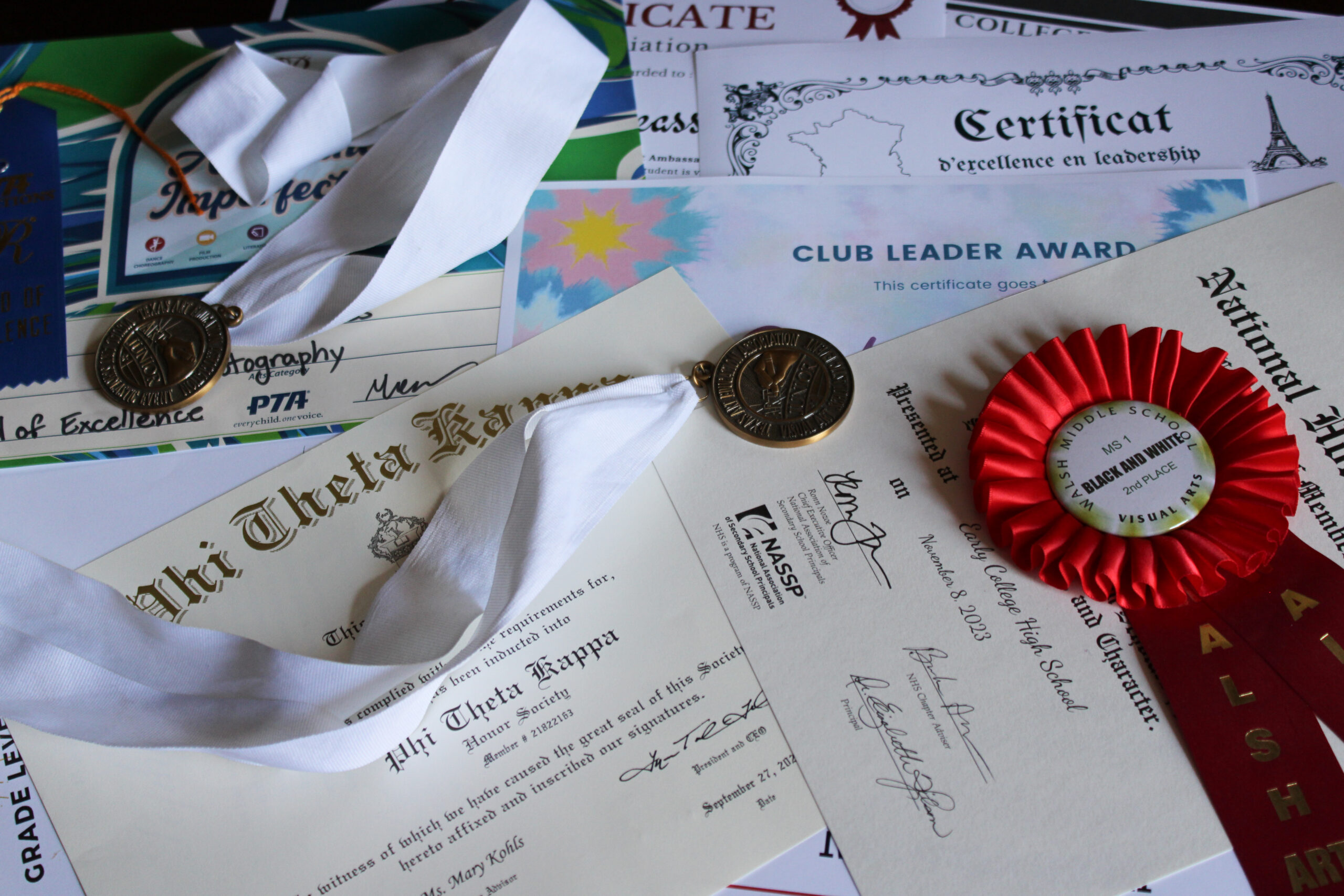
From Newton, DaVinci and Mozart to Terrance Tao and Alysa Liu, society is quick to ascribe its greatest with the label “talented.”
Yet, “talented” is less of a compliment and more of a misnomer, which turns years of disciplined practice into a personality trait. It flattens coaching, repetition and sacrifice into something which sounds effortless, making it seem as if accomplishments are completely removed from the toil it took to achieve them.
To be clear, natural aptitude does exist. People differ, and some bodies respond faster, some minds find patterns more easily, some hands connect with music sooner than others.
The difficulty doesn’t lie in acknowledging differences in ability exist at the individual level, but rather our culture, which over-credits innate ability, has become bedeviled by its consequences.
If society has a predilection towards talent and undercredits training, material conditions and opportunity, then this predisposition must be applied equally. But this isn’t what is seen in practice.
When one calls an athlete “talented,” they tend to be expressing the thought of, “Wow — how did [they] do that?” But the answer is rarely as mystical as it sounds; it’s much more mundane.
From early mornings, swelling bruises, tedious drills, substantial amounts of money, transport, adequate nutrition, constant medical care and an immensely high tolerance for failure most people will never have to develop, the “natural” becomes the practiced.
A quad jump isn’t a hereditary trait. It’s a skill which must be refined through relentless exertion. A skill which only appears natural in the absence of thousands of attempts that didn’t land.
The difference between what is discerned as the final product and the struggle it took to arrive there matters. Praising children for intelligence — rather than for effort — tends to push them towards wanting to achieve performance goals instead of learning goals.
Additionally, when encountering setbacks, those praised for intelligence are generally less persistent, producing a negative feedback loop. In comparison, those praised for effort had the inverse effect.
Put another way, how one praises isn’t neutral. Praise is intertwined with how people approach a challenge, as either something you train for or something that leaves you feeling like an imposter.
Now, some academics will argue against the simplistic notion of “practice explains everything,” instead choosing to emphasize the innate differences in skill acquisition at the highest levels of performance. Still, the real debate isn’t about whether training’s required, but how much training explains the differences between people, and this nuance is fundamental.
Excellence is still built, just not evenly, since conditions can never be truly equal. But this unevenness is the core of this debate because the label of “talent” isn’t applied to everyone in the same way.
Research into the topic reveals cultural beliefs surrounding “brilliance” have tangible consequences on a society’s population.
Women and similarly stigmatized groups, including African Americans, are underrepresented in fields where there’s a belief that raw, innate talent is required to succeed, because of society’s predisposition towards women not possessing that kind of talent, according to a paper by Leslie, Cimpian, Meyer and Freeland.
When a field celebrates a “genius,” and society already has a propensity to view genius as an inherently masculine trait, then it discourages certain people from entering and changes who’s seen as belonging.
It starts young, as the same research indicates by the age of six, girls are less likely than boys to associate their gender with “really, really smart” people, and their interests shift away from activities posed in a similar vein.
Race works similarly, but in this case, “talent” can be weaponized in both as fetishization and dehumanization.
Pew Research reports that 63% of Asian adults have experienced incidents where people assume that they are a “model minority,” which includes assumptions that they’re good at math and science.
The “model minority” myth is damaging precisely because it flattens understanding of just how diverse populations really are, and in turn creates a single expectation which obscures people’s real needs.
This is why the “it’s just a compliment” holds no bearing on this argument. Language isn’t just a tool of description, it’s an incredibly influential social indicator dictating the trajectory of one’s life. Language chooses where credit is distributed and determines belonging. It decides which achievements are framed as “deserved” and which are framed as “surprising.”
So no, choosing to take “talent” out of your vocabulary isn’t about semantics, but instead about what we, as an American society, choose to honor.
If you want to respect an athlete or academic, don’t praise what you imagine was given to them. Praise what they’ve endured, praise their resolve, their toil and hardship.
Saying “talented” is comfortable. It costs nothing, and it explains nothing. Too often does “talent” steal the one thing that deserves to be named aloud: the labor.