Writer Envia Daniel talks about the hidden artistry behind the making of a playlist.



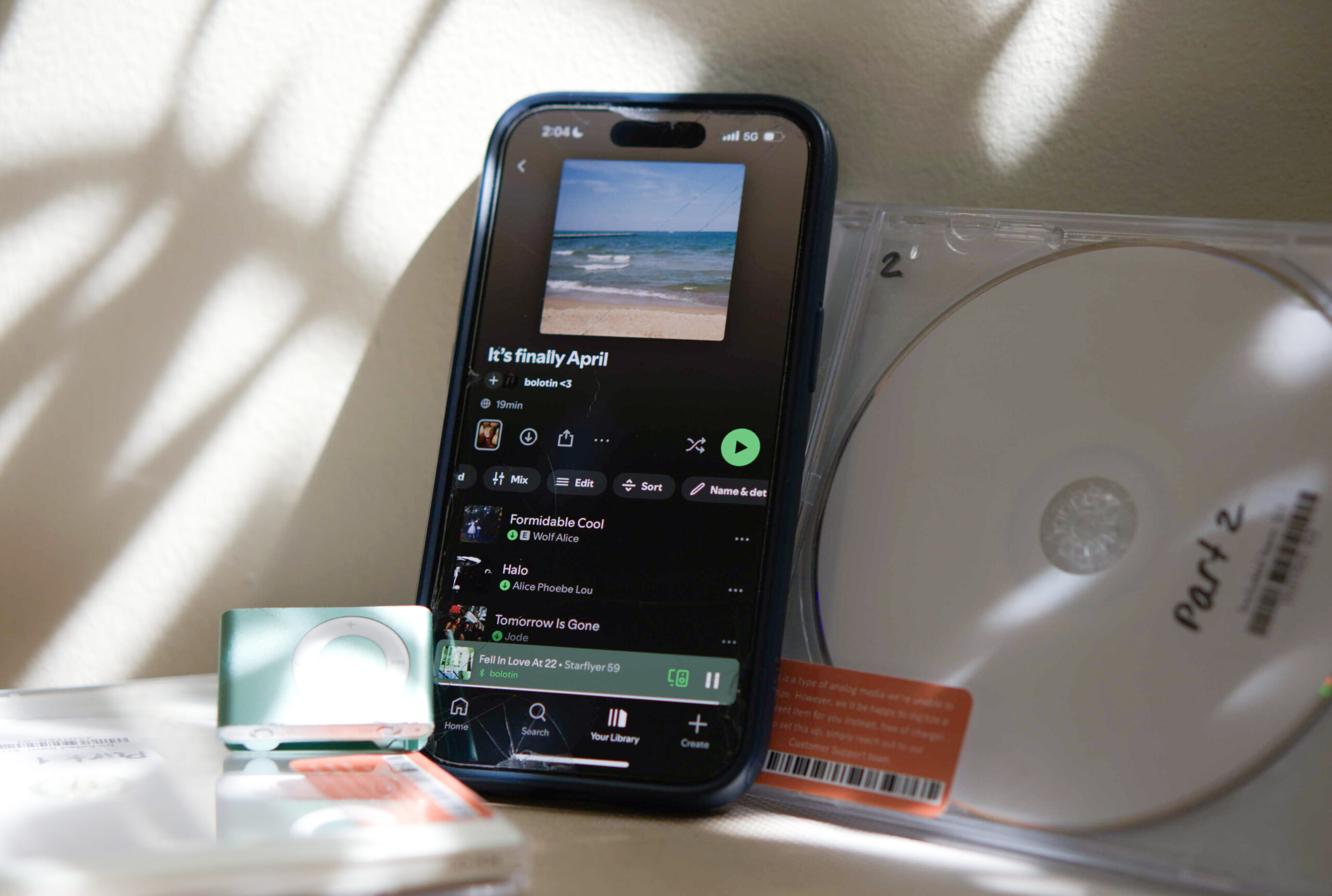
Compiling music isn’t a new activity, and it certainly isn’t getting old. From burning CDs to making cassette mixtapes, it’s easier than ever with access to a music streaming platform. Making a playlist is an exciting way to set a vibe or tone for a month, season, workout, study session or even a budding romance.
It may feel like second nature, but there’s an art that goes into it. Playlist-making is guided by the listener’s senses.
Art communicates an idea or concept consisting of intentionality from both the artist and the audience. Just like art, playlists act as a form of communication.
No one is taught how to make the right playlist; it’s all up to the listener.
When sharing music with close friends, I’m fascinated by how much our styles differ. Whether it’s five playlists on rotation or over 70, each of them resonates exactly with their music curating formula.
At the beginning of each month, I create a new playlist of songs, usually ones that match the weather or what the month may bring me. In my plethora of playlists, I also tend to make playlists for workouts, trips or a certain vibe I find along the journey of making the playlist. Out of all these, my monthly playlists tend to be my favorite.
It may be titled “March 2026,” but each second reminds me of the routine of the second semester, the back and forth of Chicago spring and my spring break with friends. “May 2025”: coming home from study abroad and eventually moving into my first apartment. Playlists each have their own form of comforting nostalgia, which encourages me to continue to make them.
A playlist is a simple way to look at memories through an artistic perspective.
Ideally, one of my monthly playlists consists of a sprinkle of my all-time favorites, songs to match the season, some oldies and a handful of first listens. While this can look different for any listener, it’s interesting to look at what creates one’s musical fingerprint. The perfect algorithm or formula looks different for each listening enthusiast.
Listeners may find themselves naturally grouping music, but there’s something bringing these songs together. Music tastes are found to be connected to personality to some degree. Of course, personal differences come into play, but studies have connected the Big Five traits to these preferences.
To connect to personality, compiling music is undeniably driven by the senses. Music consists of unique melodies, harmonies and rhythm that are naturally gravitated to. No one is taught which style is the best; the senses encourage the listener to put a song on loop or even skip it after 30 seconds.
While focusing on the modern-day Spotify or Apple Music playlist, I mustn’t turn a blind eye to what came before them. Long before playlists came vinyls, CDs, cassettes, mixtapes and albums. Each of these forms how we view and experience playlists today. As music is becoming more technological, it’s important to appreciate the classics. Physical media has set the stage for artists and audiences alike. It brings a reliable, tangible artistic connection.
Of course, each artist and song is what forms the playlist, but the listener is who brings it together.
While I make “April 2026” or perhaps another rendition of a study playlist, I’m further reminded of the intentions behind each song and their placement. It feels natural, but it’s individual and a reflection of one’s creative mind.