The film follows the acclaimed chef and travel documentarian before he claimed either title.



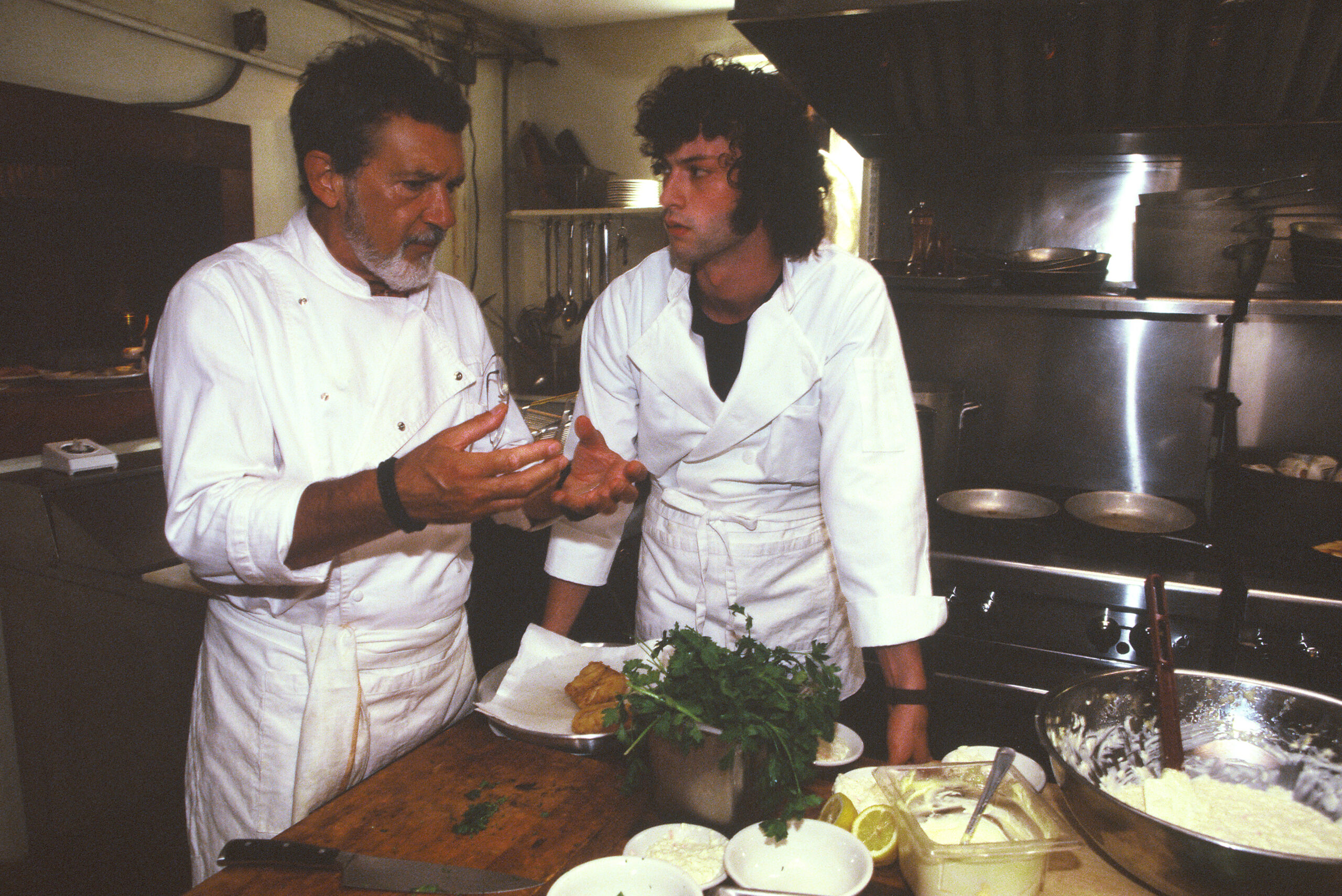
Anthony Bourdain is the name associated with the acclaimed author, trailblazing travel documentarian and venerated chef at the height of his celebrity.
Tony, however, is the name he wore as an insolent 19-year-old, or — as he describes himself in his 2000 memoir “Kitchen Confidential” — “a spoiled, miserable, narcissistic, self-destructive and thoughtless young lout, badly in need of a good ass-kicking.”
The latter is the character description that prefaces Matt Johnson’s biopic “Tony,” setting the stage for the teen’s well-deserved, summerlong slap in the face.

In 1975, after Tony lies about winning a Vassar College writing fellowship, he follows a schoolboy crush to Provincetown, Massachusetts. With little cash and even less of a plan, he stumbles headfirst into the chaotic currents of restaurant life as a dishwasher at a local seafood joint.
Clad in enviable leather boots and flared pants, Dominic Sessa embodies the swaggering rogue — “The Holdovers” breakout star again proving his aptitude for playing gangly pricks with hidden sensitive sides who find themselves in Massachusetts.
Unsure, reckless, entitled and awkward, Sessa’s (“Now You See Me: Now You Don’t,” “Oh. What. Fun.”) character is intentionally removed from his now-venerated pop culture status. While it creates distance between Tony as a boy and Bourdain as a public figure, ‘Tony’ initially places an optimistic — and somewhat unearned — amount of faith in the audience’s preexisting love for the chef.
Without giving them much of a reason to at the start, this characterization of Tony is given second, third and fourth chances by his insightful mentor (Antonio Banderas) and haphazardly pursued crush, Nancy (Emilia Jones). The film chugs along as these two repeatedly forgive his violent tendencies and consistent lies, counting on the audience to root for the man they know Bourdain became, not the character himself.
Layered performances and cast chemistry do the heavy lifting to make the titular character someone to root for.

Sessa’s rugged charm and comedic timing balance the scale between obnoxious behavior and hopeful “he’ll grow out of it” potential. The actor’s clumsy disposition plays sweetly against Jones’ (“Coda,” “The Running Man”) coolly assured Nancy, a character so believably confident that her care for Tony hints there’s more to the runaway than he lets on.
Banderas’ (“The Mask of Zorro,” “Spy Kids”) seafood chef, who takes the broke protagonist in, functions similarly. The Spanish actor’s undeniable likeability imbues his character with an enigmatic wisdom the audience can trust to guide Tony to the greatness lurking in his future.
Leo Woodall’s laughably repugnant Sal — Tony’s friend at work and in debauchery — also makes the young chef more redeemable in viewers’ eyes, if only by comparison.
While Sal, Tony and their boisterous coworkers render the tiny kitchen inefficient, the film itself runs a tight ship. The small cast and compact setting are used to the advantage of storytelling motifs that create a lively world within Provincetown.

The bucket of saltwater that wakes Tony each morning from the same position in the same hammock becomes a reliable sign of time passing, developing a bit into a certainty.
Such visual familiarities build a deliciously textured world within the concise 106-minute runtime — one the audience can track Bourdain’s emotional growth within.
The “bildungsroman” Tony sets out to write quickly becomes his own as his admiration for people, place and the food that ties them together expands beyond the confines of comfort. It’s a true coming-of-age story — one that refreshingly acknowledges the role of failure in personal development.
Never biting off more than it can chew, “Tony” only needed one summer to show how passion grew from resentment, success from limitation. It doesn’t glamorize the celebrity, but celebrates his journey toward discovering what he loves.
That’s what makes the film a successful homage to Bourdain’s legacy — it’s honest, raw and deeply human.
“Tony” is playing in theaters now.