Photo editor Sophia Reass writes about the difficulties of turning 20 while being the eldest daughter.



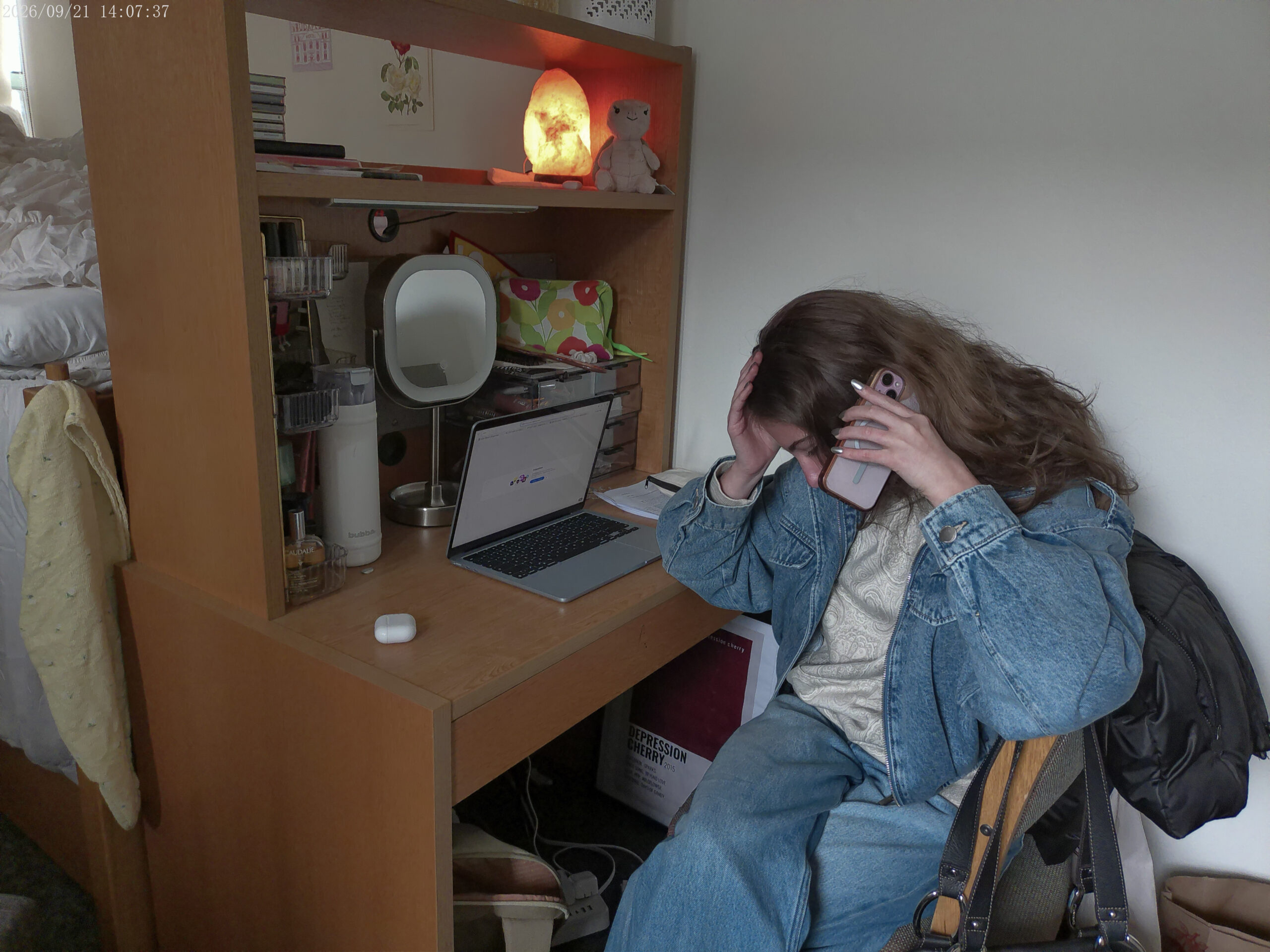
There are certain birthdays which are glorified before all others.
The sweet 16 marks the first taste of true freedom as many teenagers hop into the driver’s seat of a car with the speed limit as their only constraint. Turning 18 brings the confidence of a newly minted adult ready to take on a world they think they know everything about.
The end of teenhood comes at 20, the first milestone birthday most celebrate without the same fanfare surrounding the previous years. Life becomes busier and the responsibilities heavier as young adults say their final goodbye to childhood and step further into adulthood.
But what’s the significance of this milestone if you never had a real childhood to begin with?
This question overwhelmed my brain the week prior to my 20th birthday, as my countdown to the day brought on waves of awed disbelief and passive expectancy for the impending change.
As the eldest daughter, I was always told I was mature for my age because of my quiet demeanor and ability to hold considerate conversations with adults much easier than my peers. Eventually, I began to feel as though I was an adult trapped in a kid’s body and longed for the day I could join the ranks of the wise figures I revered.
I was closer than ever to stepping into an era of life I’d long dreamed of, and yet, I felt I’d been cheated out of a part of my childhood. It wasn’t until further reflection that I realized the sudden grief over losing this last quantifier of childhood was likely a side effect of eldest daughter syndrome.
While not an official psychological diagnosis, this phenomenon describes the tendency for families to place excessive emotional or managerial responsibilities on their firstborn daughter. Also referred to as parentification, these intense stressors force a child to worry about the needs of others during an important period of personal emotional development.
Children in these positions often grow up to be highly independent, perfectionists who have a deep desire to control everything in their lives, even if it isn’t possible. Their mental health suffers as they sacrifice parts of their childhood for a familial role bestowed upon them long before they could be asked if they wanted it.
Placing this type of pressure on girls labeled as academically gifted can be especially harmful as they’re predisposed to have higher emotional intelligence, sharp at noticing the smallest of social cues from a young age.
Easily attuned to the emotions of those around me, the need to care for others and treat their problems as my personal responsibility to mend was consuming. Yet, I couldn’t feel the invisible weight bearing down on me because it was my norm.
A childhood of blissful ignorance crumbled away as I was made to grow up faster than my peers.
Unable to connect with kids my own age, I found solace in conversations with teachers on the playground rather than with the giggling bodies swinging on monkey bars. I became known as the responsible one, always willing to lend a hand and be the poster child of perfection.
Little did I know, I was handing in carefreeness for maturity, and there was little I could do to stop it.
So, in anticipation of turning 20, I started mourning the childhood of bliss I could’ve had, rather than the one riddled with anxiety and the need to be everything for everyone I received.
Despite this loss, I wasn’t capable of grieving for long.
For 20 years, I’d waited for the moment when my physical age would start catching up with my mental one so the world would see me as the person I had always felt inside. In reality, I wish I had a little more time where being a kid was all I needed to be.