Happy Hour is a recurring column from Newsletter Editor Andrew Quinn highlighting individual artists’ advocacy and charity work.



She worked her “9 to 5” — what a way to make a living.
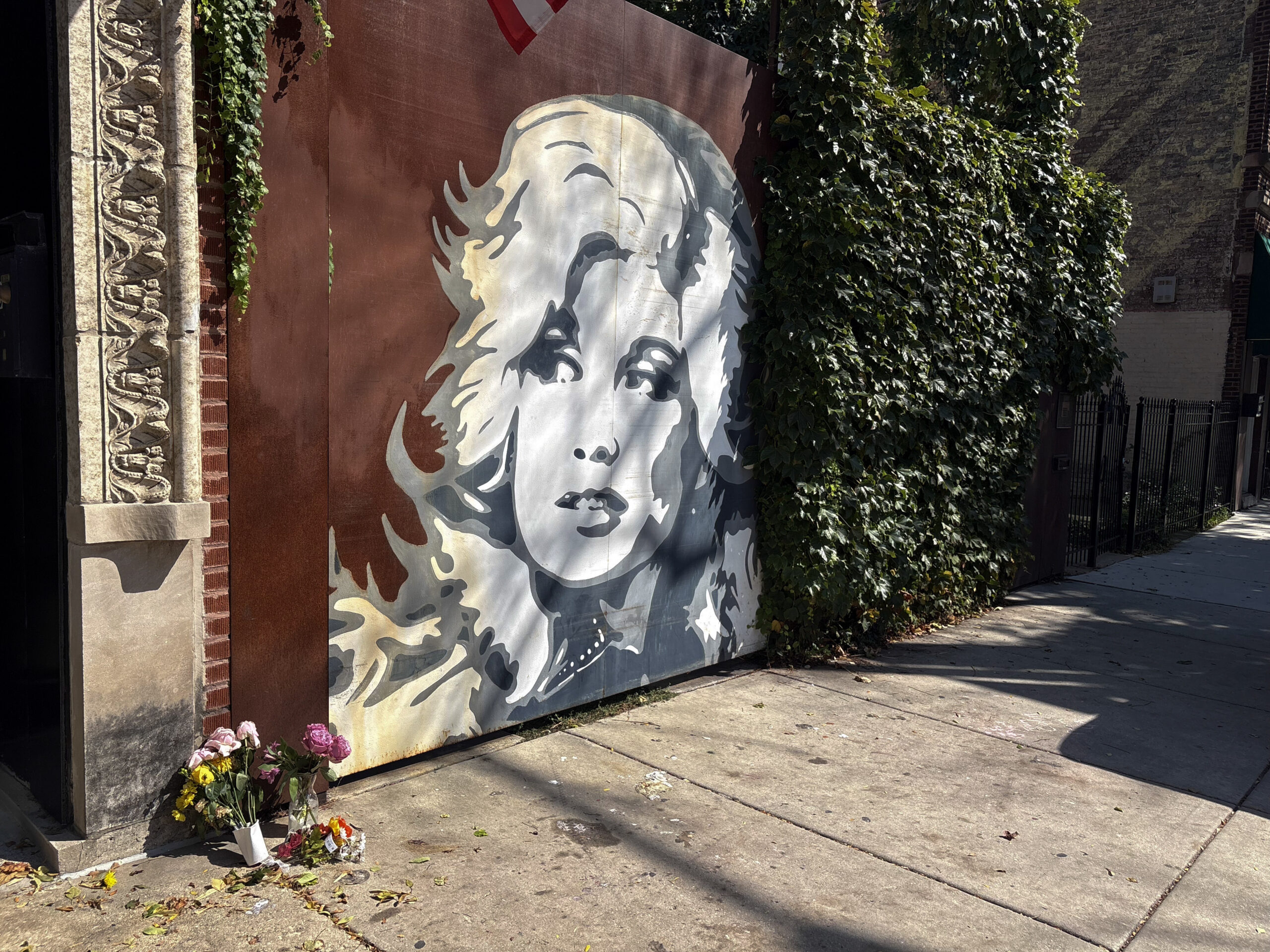
On Aug. 25, millions of fans mourned the loss of country music icon Dolly Parton — a powerhouse artist, legendary performer and humble humanitarian unlike any other.
After 80 beautiful years and a few dozen “cups of ambition,” the Tennessean’s legacy includes a whopping 10 Grammy awards, over 65 studio albums and releases, several feature films, many a philanthropic foundation and a theme park celebrating her career. There’s no doubt Parton’s contributions have helped make life just a little brighter.
This is the Happy Hour — a column highlighting how the biggest stars and up-and-coming artists are using advocacy to create a better world.
Born and raised in Sevier County, Tenn., the country girl’s sudden passing left a resounding gust of twangy love in the hearts of her beloved devotees, offering just a taste of the lifelong influence the singer gifted the nation for years to come.
Centering her life around advocacy efforts built to boost education and support underprivileged communities, Parton was no stranger to the philanthropy scene. In 1988, the country music hall-of-famer initiated the Dollywood Foundation, a non-profit organization whose mission is inspiring children to “Dream More, Learn More, Care More, and Be More.”
Flash forward to 1995, when the marvelous Miss Dolly welcomed her Imagination Library into the world.
The literacy initiative originally aimed to inspire a love of literature in the children of Sevier County, but its sheer popularity and success inspired the Queen of Country to expand her program to any community willing to participate. Now, over 300 million books have been donated to nearly 3.5 million children worldwide, spreading the gift of reading with a signature splash of true Dolly magic.
But the “Jolene” singer’s advocacy efforts didn’t stop there.
Parton was a fierce supporter of LGBTQ+ rights, publicly speaking out against homophobic slander and harmful stereotypes surrounding the queer community with polished country charm and humility. Parton publicly stated her desire to pursue drag if she had been born a boy, expressing honor in the tributes she’s received from the countless queens who’ve cosplayed as her.
As a Southern woman confident in her Christian spirituality, Parton consistently led with love, publicly refusing to judge LGBTQ+ individuals for their sexuality.
“If you’re gay, you’re gay. If you’re straight, you’re straight. And you should be allowed to be how you are and who you are,” she famously said in an interview with Larry King.
Parton’s rhinestone-rimmed lens of the world sparkled on through even more realms of genuine kindness, spanning from COVID-19 vaccine funding to Black Lives Matter support and a whole bunch of country love in between.
After a long-time love for the butterfly and the curation of her 1974 album “Love is Like A Butterfly,” the singer adopted the creature as part of her own unique brand, wearing decorative embellishments and intricate details of her fluttery friends on everything from crop tops to guitar picks.
Parton’s ability to lead with love — combined with her non-judgmental outlook, easygoing persona and a bit of curiosity — all blend melodically in the butterfly symbol, a beautiful representation of her astonishing legacy.
Although countless hearts still hang heavy in the weeks following her passing, the groundbreaking career of the country powerhouse is one that’ll flit through time like the wings of her oh-so-special butterflies.
Maybe the only thing left to do is try to live a little more like she did.
Dolly Parton loved her world — and she always will.