Writer Anna San Miguel notes the importance of indigenous influence during Hispanic Heritage Month.



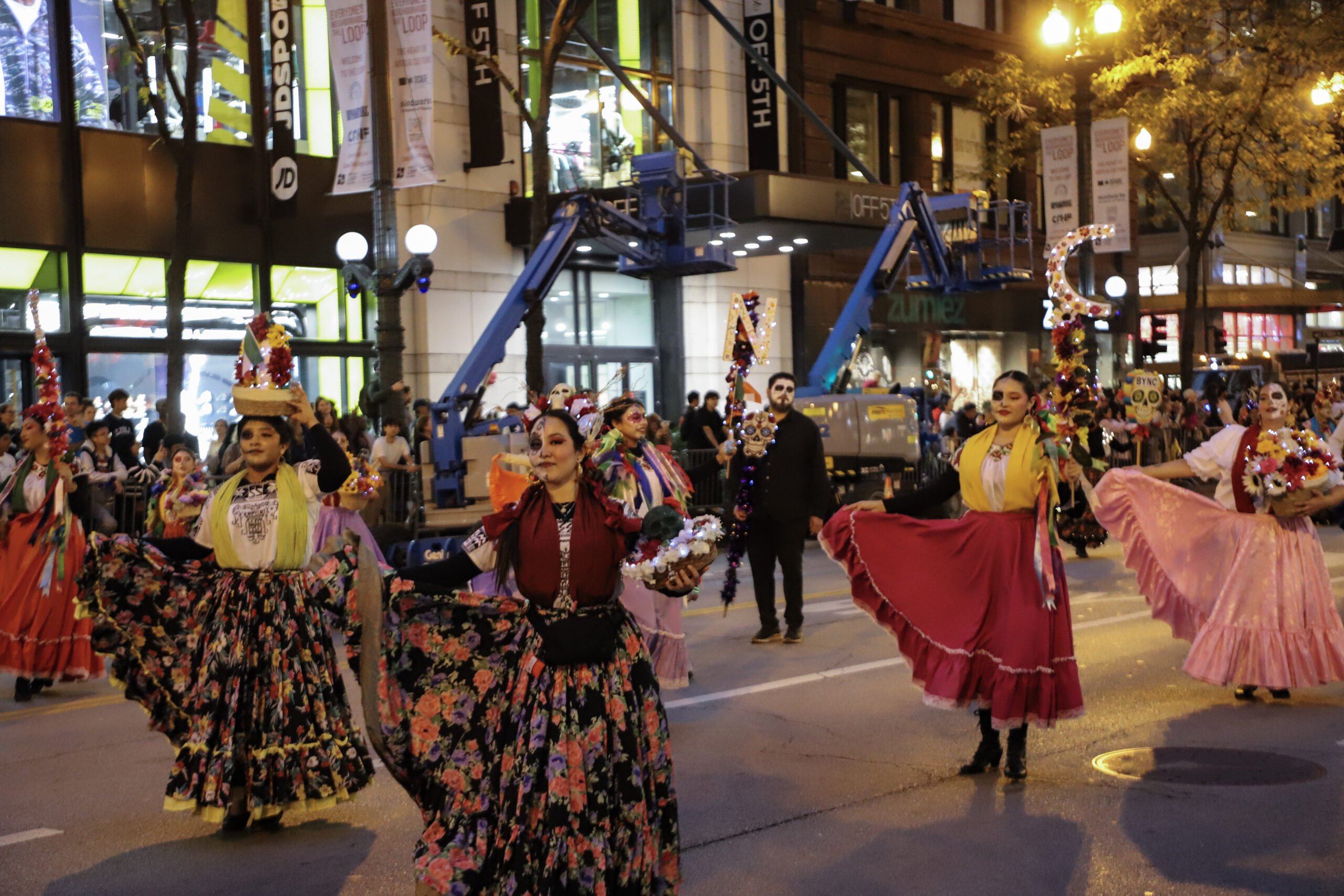
Hispanic Heritage Month, which began Sept. 15 and runs until Oct. 15, signifies a period of celebration of Latinx culture and identity. This time period was also, in part, chosen because so many countries achieved independence within the 30 day period.
The Spanish Empire once controlled 35 colonies. Despite this, Latin American countries once domineered by Spain have found ways to endure by incorporating indigenous language and culture into the customs forced upon them.
Although these countries are the product of colonialism, they have unique identities deserving of distinction from colonial influences, especially when celebrating their heritage.
Mexico stands as the country with the eighth highest number of living languages. After Spanish and English, the most commonly spoken languages in Mexico are those in the Nahuatl and Maya language groups.
Words from these languages have evolved alongside the people and culture. “Popote,” the word for drinking straw, comes from “Popotl” in Nahuatl. Chocolate, from Chicolatl, has many variations worldwide.
This isn’t just unique to Mexican Spanish. Many Latin American dialects have incorporated words from indigenous languages. Ecuadorians borrow from Kichwa, and some Puerto Ricans refer to themselves as Boricua in reference to Borikén, the name given to the island by its original inhabitants.
The Latin American and Latinx Studies Program at Loyola aims to hone an appreciation for Latin culture through a variety of academic disciplines.
Highlighting not only the diversity but also the social justice issues of Latine and Latin Americans is a key aspect of the paradigm through which it operates.
David Beltrán, director of Latinx Studies at Loyola, said that although something, whether it be a country, identity or dialect, is the product of colonialism, it shouldn’t be viewed as inferior.
“By definition, Spanish is a colonial language, there’s no gray area,” Beltrán said. “It’s that phenomenon that happens where a language will sort of take root, or take from whatever the region is. It’s all about who’s using the words.”
Beyond language, recipes and traditions with Mesoamerican roots carry history that could’ve been erased by colonialism and forced assimilation. However, some holidays like Día de Muertos combine both indigenous and Catholic traditions.
Mole and pozole, dishes derived from Mesoamerican recipes, evolved to incorporate foods and ingredients brought by the Spanish, like pork, and spices introduced to the Spanish by the Moors.
Seeing how old languages and tastes had to transform to continue existing in a postcolonial world, it’s understandably hurtful when important and longstanding characteristics of Mexican language and culture are rebranded.
Even within Mexico, locals find recipes and salsas at local restaurants are losing their spice and accommodating a milder, foreign palate. British baker Richard Hart experienced the outrage of Mexicans firsthand when he claimed Mexico had no bread culture and called bolillos “white, ugly rolls.”
His bakery, Green Rhino, located in the increasingly gentrified Roma Norte neighborhood in Mexico City, offers European-style pastries at European tourist prices. It’s clear he has no desire to engage with the community hosting him.
Bolillos emerged during the colonial period and are eaten with many traditional foods and ingredients. Disrespecting the local gastronomic culture while uplifting the European desserts whose flavor profile depends on Mesoamerican ingredients like vanilla and chocolate is grossly sanctimonious.
To Mexico City locals, the growing number of American expats is beginning to feel like another wave of colonization. The fight to preserve cultural idiosyncrasies hasn’t ended, it’s just changed form.
In 2025, the United States made English its official language in what many thought of as a move to target immigrant communities.
“It all comes down to assimilation, but I think it’s more about belonging,” Beltrán said. “You can assimilate, and you just learn another language. There’s nothing wrong with having more than two languages. But it’s not about assimilation. It’s about erasing identity.”
When people forgo pico de gallo for cowboy caviar and tacos for wraps — in an era where people are being deported and killed with no explanation — it further erases a culture and community who’ve already fought hard for survival.
Unfortunately, the forced erasure of Latino communities isn’t anything new. The United States has enacted forced “repatriations” since the 1920s. Enjoying a bastardized version of Mexican culture while deporting the people who brought it to the United States could be considered an American tradition.
“It’s the 21st century, and people are screaming ‘English only’ while holding a tortilla, or their ‘wrap,’ and talking about going to a Mexican restaurant,” Beltrán said.
The marriage between native characteristics and those introduced during colonization is what makes Mexico or any Latin country distinct. The preservation of both precolonial Mexican roots and the modern identity created continues to be a long, arduous struggle, but the challenge itself attests to the fortitude of the people.