Writer Anna DeBord encourages a closer look into the politics behind clothing.



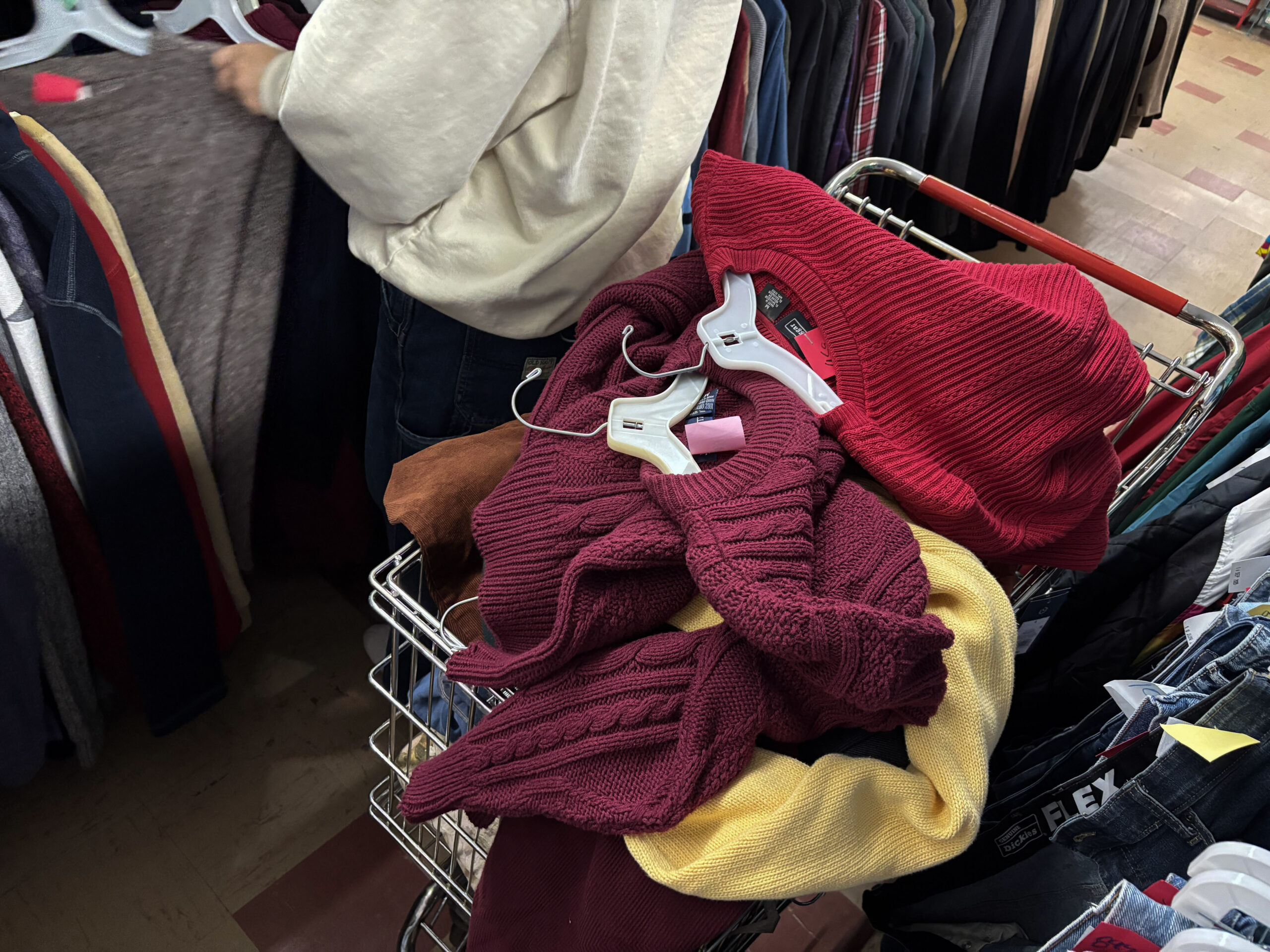
Fashion is a form of expression, a way to take one’s ideological beliefs and turn them outward-facing. It allows one to wear their heart not only on their sleeve but on their shoes, their shirt and in their hair.
Globally, people can now dress themselves in whatever fleeting style strikes their fancy, with incomprehensible amounts of fast-fashion available only a mouse click, child laborer or underpaid delivery driver away.
While accessibility through the internet isn’t inherently negative, it inadvertently strips subcultures and identities of their ideological significance, reducing them to a superficial aesthetic or a buzzword without a concrete definition.
Before the era of online shopping and fast fashion, it was more common for the way one dressed to be indicative of their ideologies, especially in regard to alternative subcultures.
For instance, the punk community largely emerged in the economically and sociopolitically depressed areas of England in the 1970s. It was a social rebellion against older generations, who were perceived by youth as stagnant and outdated. Sporting clothing items like battle vests and iconic Dr. Martens were fervently anti-establishment and insubordinate.
Goth developed from punk around the same time period and shares many of its values, including a unique and alternative music genre as well as a love for gothic literature. As with punk, goth is characterized as a lifestyle rather than a surface-level love for fashion.
Today, Dr. Martens are an off-duty staple for the average fashion model, making them commonplace among mainstream styles. An abundance of cheap goth clothing is available for purchase on fast fashion sites such as SHEIN and Temu, driving new fans of the style away from more sustainable DIYs and thrift stores, going against the fabric of the subculture.
This isn’t to say the punk or goth communities are mere fragments of the past, but many of their attributes have been absorbed into the amalgamation of aesthetic clothing while their rebellious origins are largely forgotten.
The Renaissance Faire — aka Ren Faire — has gained recent traction online for its whimsical aspects, but it also has roots deeply entrenched in leftism. It began in the 1960s during the height of McCarthyism when a group of actors and public school teachers were blacklisted and labeled as communist by the U.S. government.
Then, the goal of the Ren Faire was to raise money for an anti-propaganda radio station, KPFK, which relied entirely on funds from listeners. While the event still attracts alternative communities today, many who now attend these festivals order costumes off Amazon. The elaborate outfits will be worn once before being thrown out, the wearer having no idea of the crucial historical context of the event they’re attending.
A recent and concerning trend on the internet is “whimsy-maxxing,” meant to help people embrace the little joys of life with sparkles, bright colors, flowing clothing and the like. But having a 600-count pack of plastic gems overnight delivered to your doorstep, only to end up in a landfill within a week is the opposite of what it should mean to be whimsical. The word itself is defined as playful, magical and even off-putting or weird.
Whimsy, or the state of being whimsical, can’t be bought. It can’t be gained by checking off a box or following steps someone on Instagram claims are foolproof. The very fact of a whimsical person should demand they be anti-capitalist, environmentally conscious and vehemently non-conformist.
Whimsy isn’t a wardrobe refresh. It’s learning to sew and reuse the items one already owns. It’s upcycling old tablecloths and curtains, dyeing fabric and learning to embroider. It’s using the resources available and accessible instead of outsourcing plastic products — it’s creating more than consuming.
What many of these subcultures and styles have in common is that they’re more than an aesthetic — they’re a lifestyle of activism, community, sustainability and more. They communicate personality, values and ideologies before the wearer even opens their mouth.
The clothes one wears matter deeply, and no one gets to ignore historical context just because they like the style. As with any other art form, fashion has always been deeply political and will continue to be.
It’s not a crime to like a fashion subculture for the way it looks. Humans are naturally drawn to the beautiful. The real fault is when people become unaware of entire subcultures and the meanings behind the styles they wear, actively pushing down the efforts of alternative communities by diluting their messaging and poisoning the planet with hypocrisy and pollution.