Chicago’s proposed 2027 budget relies on short-term borrowing and controversial business tax increases as the city faces a December deadline.



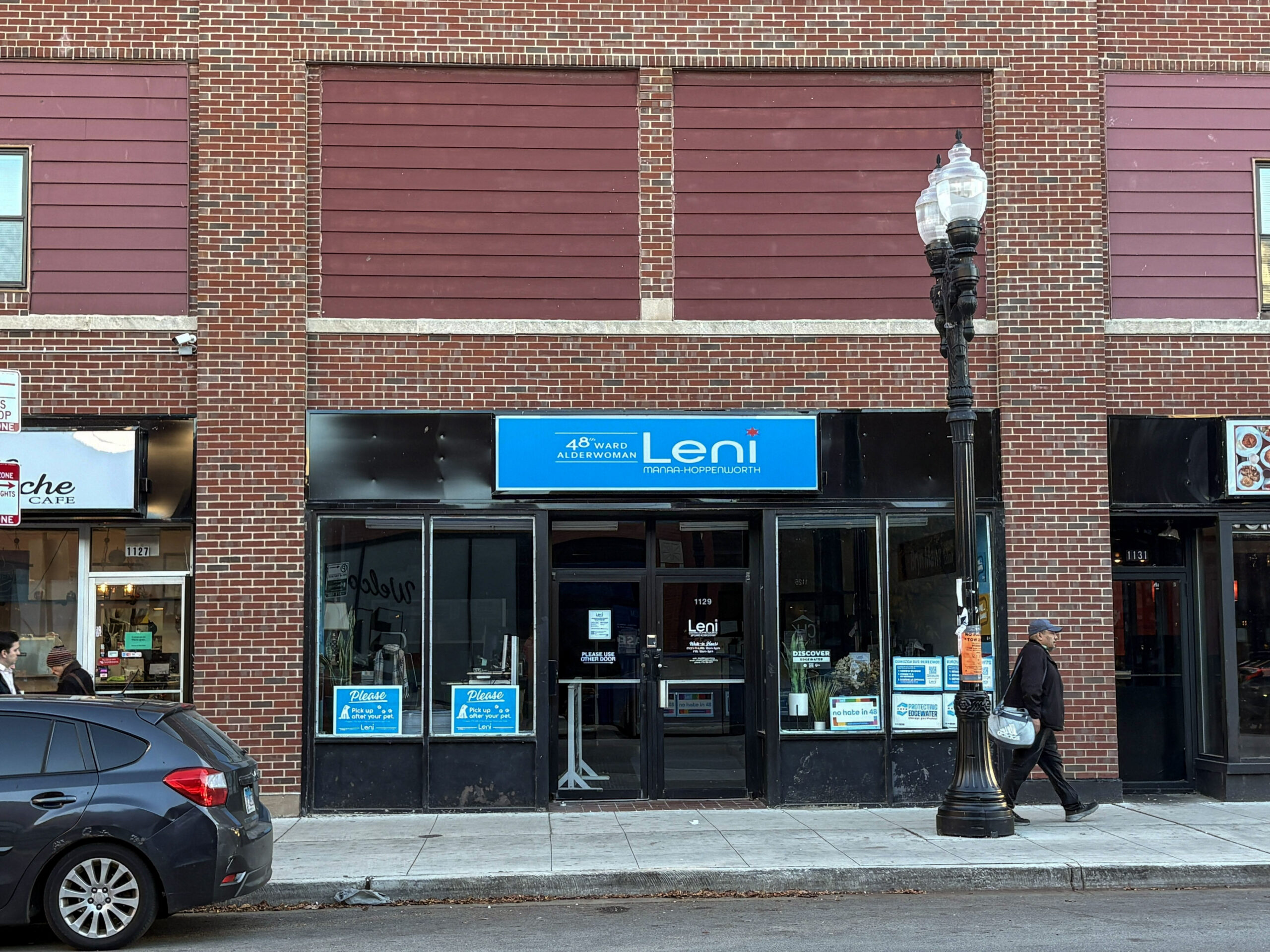
The 48th Ward of Chicago hosted their annual virtual budget report meeting with Q&A Nov. 2.
The budget briefing explained how the city’s budget process works and provided an overview of the proposed 2027 City of Chicago budget. Policy and budget analyst Geoffrey Cubbage and 49th Ward Alderwoman Leni Manaa-Hoppenworth from the Better Government Association presented.
Cubbage first gave an overview of the city’s budget and new changes that took place this past year. He explained the city is borrowing approximately $441 million short-term to cover police settlements for the second straight year.
Police settlements are financial agreements made out of court to resolve civil lawsuits or claims filed against law enforcement officers, police departments or local municipal governments according to The Washington Post. Police overtime and settlements are the two chronic drivers of budget overruns.
Mayor Brandon Johnson issued an executive order Dec. 23, 2025 requiring departments to explain overages to council, in an effort to reduce the ease of going over budget.
Cubbage said part of the budget is spending and staffing, with the CPD being the largest department by budget and headcount. It makes up nearly half of the corporate fund — the discretionary pot council can most easily change, according to Cubbage.
During the meeting, Cubbage said about 100 vacant uniformed police positions are being cut and replaced with civilian jobs. This could lower long-term costs, according to the Illinois Policy Institute.
Cubbage said it raises “red flags” when oversight offices take position cuts while other departments don’t.
Chicago family and support services, housing and public health departments are experiencing ongoing position cuts as COVID-19 federal aid runs out, according to Cubbage and Manaa-Hoppenworth.
The Office of Inspector General and the Civilian Office of Police Accountability also faced staff cuts while the Department of Environment grew from about 13 to 15 positions to 72 in 2025 according to Cubbage.
The Department of Information and Technology’s budget is cut roughly in half with zero employees laid off, fired, or eliminated from the department’s total staffing numbers, according to the BGA Policy 2027 Budget Snapshot. Much of that is spending shifted to citywide accounts. More than half of the department’s positions were vacant as of September.
In an interview with The Phoenix after the budget discussion, Manaa-Hoppenworth said she “would love more feedback from young people, from students, from all city schools, including Loyola.” Feedback can be given in person, by email or by phone.
The Survivor Fund provides emergency housing and hotel stays for victims fleeing violent households. Along with this, mental health counseling services for victims faced budget cuts, according to the Chicago City Bureau. Manaa-Hoppenworth said she thinks these cuts will make survivors of domestic violence vulnerable.
“It’s destabilizing for families, especially for women, especially for children,” Manaa-Hoppenworth said. “We want to continue to fund domestic violence survivors so they can get the housing and healthcare and resources they need.”
Cubbage discussed Chicago’s pension burden and its limits on raising revenue, including home rule limits and the state constitution’s uniformity clause, constraining options for raising revenue.
Under home rule, the City of Chicago can exercise any power and perform any function pertaining to its government and affairs, such as regulating public health, safety, welfare, licensing, taxation and incurring debt without needing prior authorization from the Illinois General Assembly, according to the Illinois Constitution.
The mayor’s budget proposal for the city would raise the personal property lease tax to 20%, up from 9% before 2024 with a carve-out that keeps car and vehicle leases at 15%.
Unlike traditional real estate taxes, this tax is like a sales tax for renting things instead of buying them, according to the Personal Property Lease Transaction Tax.
In recent years, the Chicago software lease tax rose from 9% in 2024 to 11% in 2025 to 15% in 2026, according to an analysis by the mayor’s office.
Under home rule authority, the City Council can change the rate on its own with no need for approval from state lawmakers in Springfield, Ill.
The mayor’s budget proposal revives an “equitable employer tax,” a per-employee head tax, according to the Office of the Mayor. It was $21 per month for companies with more than 100 employees in 2025 and is $25 per month for companies with more than 125 employees in 2026.
Last year, the discretionary pot council rejected the head tax, according to Block Club Chicago. The discretionary pot council in Chicago is the Aldermanic Menu Program — every year, each of Chicago’s 50 alderpeople is given a dedicated pot of discretionary money to spend on local infrastructure needs, according to the program’s 2025 Q1 Menu Report.
A letter from 29 alderpeople said they wouldn’t support a budget with a property tax increase or head tax, arguing it drives away business, according to Cubbage.
Chicago had a head tax until former Mayor Rahm Emanuel eliminated it in 2012. Academic research suggests head taxes don’t strongly affect business relocation, Cubbage said.
If the head tax fails, a little over $100 million must be found elsewhere. Cubbage put the number at roughly $112 million.
“The mayor’s approach is if you don’t like this, come up with something better,” Cubbage said.
Last year’s city council revenue plan projected approximately $90 million from selling municipal debt to private collectors, and called it the debt sale. Financial institutional buyers declined the offering so the revenue was never received, according to the Illinois Policy Institute.
Cubbage said the debt sale failed. He said a private lender can repossess a car for unpaid debt, but a city debt buyer can’t cut off utilities.
This year’s version of the plan adds a rebate for employers who hire from socioeconomically disadvantaged census areas according to Civic Data Atlas.
Cubbage said he’s concerned about the city borrowing money, explaining that it’s alarming any time a city takes out loans multiple years in a row to cover operational costs.
Budget hearings are scheduled to continue for two more weeks as City Council faces a deadline to pass a balanced budget by Dec. 31.