The Phoenix points out three Cook County ballot measures for the 2026 midterms.



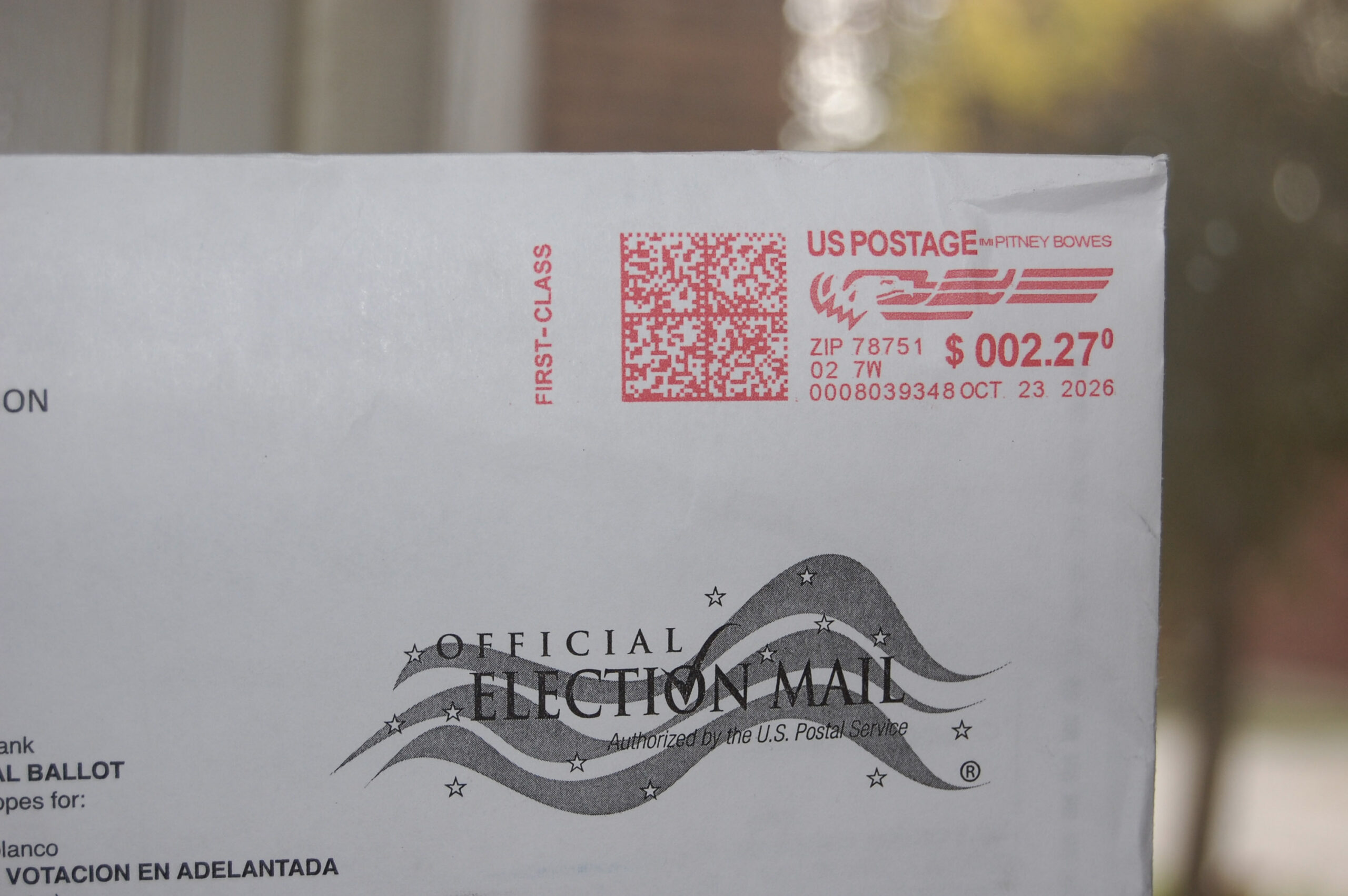
On the Cook County midterm ballot, three measures stand out: an advisory referendum for an increased tax on millionaires, a call for compensation from the federal government for damage done during ICE operations and a proposal to use new gunshot detection technology.
ICE
A third Cook County ballot measure pushes to pursue financial compensation from the federal government for costs incurred from ICE operations, according to BallotPedia.
ICE made national headlines for its actions in summer and fall of 2025. Chicago voters now have an opportunity to seek compensation through voting.
These costs include safety response expenses, lost tax revenue and services provided to individuals and families affected by the ICE raids.
Launched in September 2025, Operation Midway Blitz was a large-scale ICE surge in Chicago launched by the Trump administration. Within the first two weeks, officials arrested around 550 people, The Associated Press reported.
The operation brought in an increase of ICE agents and fear into Latino communities.
Activists have described the arrests as abductions, citing officers’ aggressive tactics, use of unmarked vehicles and lack of identifying insignia on their clothing, The Associated Press reported. Officers appeared to target day laborers and conduct traffic stops in neighborhoods with large Latino populations.
Hansen said this measure is relevant and applies to other topics on the ballot. He said it’s likely on the ballot to promote democracy and public opinion because lawmakers could call for compensation without support of voters.
“I think the reason it’s on the ballot is because elected officials want to point to something that has the veneer of democracy on it in order to take actions that they already wanted to take anyway,” Hansen said.
Hansen said having the measure on the ballot could also prove as justification for seeking compensation from the federal government.
First-year developmental psychology graduate student Sahaj Kaur said she believes pushing for compensation for the ICE raids is a good idea. Kaur said taking care of the community and finding economic justice is important.
“It’s a great initiative to have, especially knowing that so much of the community is against what ICE is doing,” Kaur said.
Millionaire tax
One Cook County ballot measure aims to gauge support from Chicagoans for using revenue from a proposed statewide millionaire income tax surcharge to increase funding to public schools in Illinois, according to Ballotpedia.
The measure is an advisory referendum, meaning the results aren’t binding and won’t enact policy change.
The current income tax rate for Illinois is 4.95%, according to NPR. The 3% surcharge will apply to individuals earning $1 million or more annually. The revenue would be divided equally between property tax relief for Illinois residents and K-12 public education.
An estimated 1% of Illinois residents would be subject to the tax, however opponents of the measure have raised concerns about how state officials would manage and allocate the revenue.
Several Democratic-led states have already taken steps toward implementing taxes on millionaires, The Associated Press reported. Advocates in California are attempting to propose a ballot measure which would enact a one-time 5% tax on assets of individuals with net worth of $1 billion.
Michigan also wants to enact higher taxes to fund schooling. Their proposals consist of an additional 5% tax on individuals who make over $500,000, with revenue funding K-12 schools.
Fourth-year economics major Alex Ring said although he believes there are issues with public school funding, he’s hesitant about the usage of the funds. Instead of instating more taxes, he said the priority should be to work with the current money at hand.
“I don’t think more taxation is going to fix any problems,” Ring said. “There’s misallocation of funds right now within the public school systems itself.”
Chicago Public Schools (CPS) have faced a $730 million dollar deficit in May 2025, according to PBS. CPS leaders argued certain expenses, like rising pension payments and operating costs, would be more manageable with more support from state and federal leaders.
Ring also expressed concern about Chicago’s aging infrastructure and said tax revenue should be allocated toward repairs in the Rogers Park neighborhood.
“There’s roads in Chicago that are wrecked and trashed,” Ring said. “People need to see where the money is going from our taxes.”
First-year applied social psychology graduate student Syd Denila said he’s in favor of the tax because he believes public schools need more funding.
“I feel like public schools are not taken care of right now, and I think that taxing them would give those resources back to the communities that need them the most,” Denila said.
Associate Professor of Political Science Eric Hansen said the measure has features of a value statement, meaning it declares an important issue that should be discussed with the public. Although the referendum seeks public response, it’s not just a public opinion poll.
Hansen said he was unsure how the tax would be implemented, pointing to the unsuccessful past effort to replace Illinois’ flat income tax with a graduated income tax.
In 2020, Democrats across Illinois attempted to initiate a graduated income tax referendum under Illinois Governor J.B. Pritzker, according to NPR. Voters rejected the plan, cancelling out Pritzker’s four years of campaigning, in and out of his role as governor. Around 45% of voters supported the measure.
Changing the state’s income tax structure would require an amendment to the state constitution, Hansen explained.
“Without another constitutional amendment, Illinois is bound by a flat income tax,” Hansen said.
Gunshot detection
Another Cook County measure on the ballot for the midterms concerns gun shot detection, according to BallotPedia. The measure proposes restarting the use of gunshot detection technology which would inform first responders when gunshots are initially detected.
This advisory referendum is a separate movement from Mayor Brandon Johnson’s administrative action pushing for a South and West Side gunshot detection pilot program across six police districts.
Second-year political science and English major Jordyn Mousa has been a trained EMT since 2025. She said she found the ballot measure to be an objectively good concept. Mousa said her main concern was about the reliability of the technology.
She said she would be worried about false alarms with gunshot sounding noises holding back paramedics from reaching the scene, consequently decreasing the survival of the victim.
“No matter what, you can’t help somebody else if you’re in danger,” Mousa said.
Chicago discontinued the use of ShotSpotter, a gunshot detection technology from public safety technology company SoundThinking in 2024, according to NPR. ShotSpotter became controversial due to concerns over its accuracy, potential bias and high operating costs. The city spent about $49 million on the technology from 2018 to 2024.
Now, Chicago is taking a step toward a new method of gunshot detection.
Third-year environmental science major Mia Obernesser said she thinks more gun regulation is a good thing but is unsure of the possible implications of this measure. Obernesser expressed her hesitance with the unfamiliar technology and areas possibly over-marked and patrolled.
This concern for overbearing technology is shared by first-year applied social psychology graduate student, Agata Soltys. She expressed her partial fear with this technology and the feeling of constantly being watched by technological devices like Flock cameras.
Soltys also mentioned how the technology could be misused, considering its effectiveness has yet to be proven.
“You’re starting with gunshots, but what else can it lead to?” Soltys said.
Ring said the gunshot detection technology could have accuracy issues and may not be the best option to combat gun violence in the United States.
Ring said he believes technology like Flock cameras could violate Fourth Amendment protections against unreasonable government searches and seizures. He said this would contribute to the growing amount of data collected on citizens, an issue that’s already sparked considerable debate.
“It makes logical sense, especially within the cities too, but also I’m really against Flock cameras going up as well,” Ring said.