Writer Envia Daniel argues people should live simpler lives.



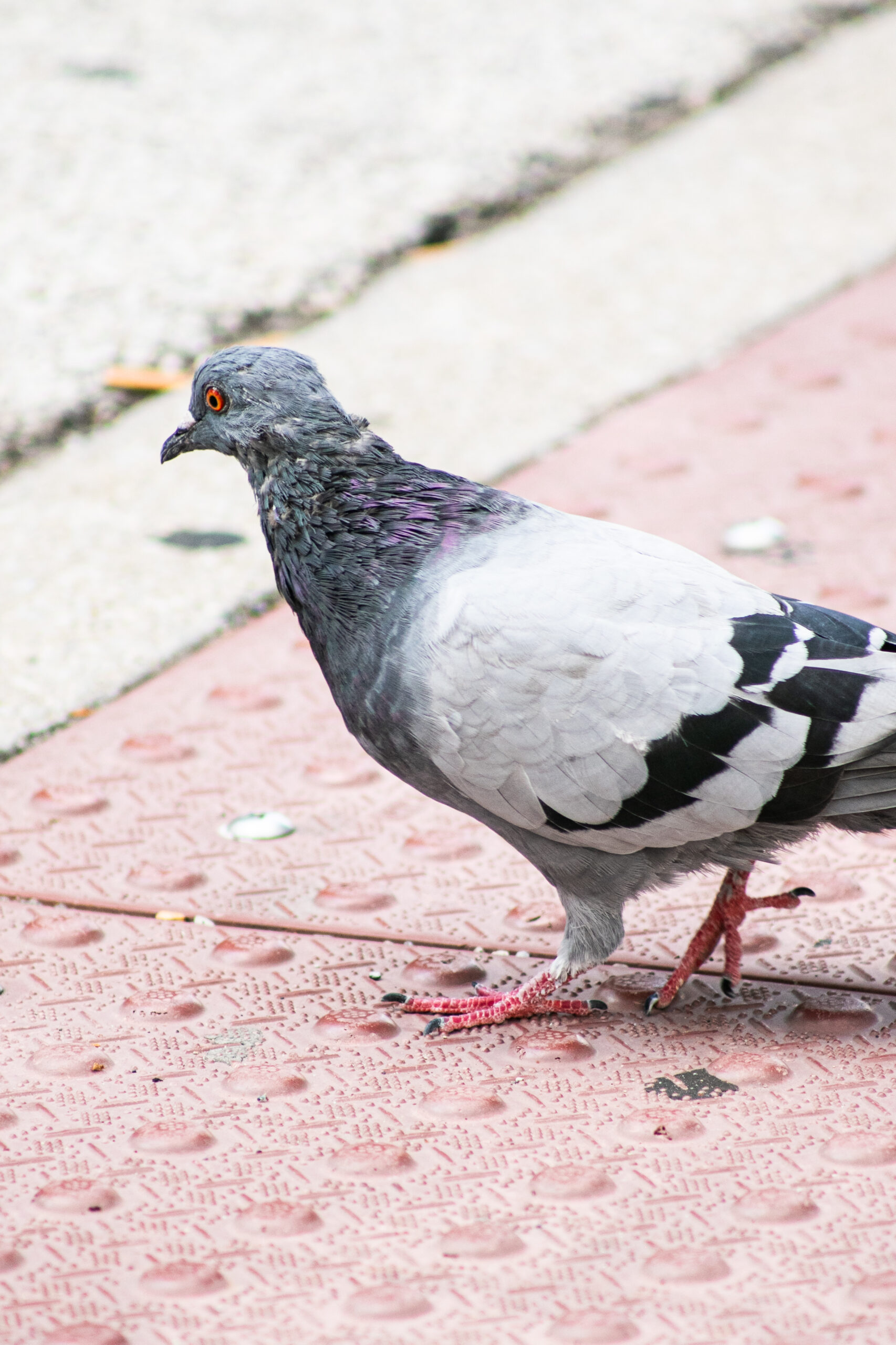
Flying rats, city doves, pigeons. These simple creatures are everywhere but nowhere, flocking with those they love or snacking on estranged pizza scraps.
They observe riders boarding the redline, maybe watching one savor a morning coffee. As people move through their day, pigeons move with them. Observing, adjusting and adapting is the city bird’s nature.
These applaudable traits might be tricky to replicate with work, school and other human obligations but seem to provide quite the guide for human living.
Although pigeons may be seen as a random addition in the city, these birds have quite a loving history.
Descendants of doves and messenger pigeons, the feral pigeons seen along the Granville Redline stop or at each corner of Michigan Avenue all have matching qualities with their ancient ancestors. Though they may seem fearful as one nears the flock, they’re relatively unafraid of humans. The lives of pigeons have been closely knit into the lives of humans, serving as messengers in times of Ancient Egypt, Ancient Rome and World War I.
Humans and pigeons alike tend to stick by those they love. Pigeons find themselves in a dangerous position when eating in flocks, but still choose to do it, faithful to their community and those they hold dear. They tend to mate quickly, valuing a lifelong, loyal pairing. This high value of mating comes from the strength of parental care for the young, developing birds.
Though they’re quite fearless, they still experience anxiety and stress.
Even with how adjusted they are to urban living and human coexistence, they face high tension from unpredictable surroundings and especially any form of social isolation. They’re social and hardworking birds; without this, they lose much of what makes them happy.
They show humans a welcoming presence, curious about someone or something new in their space, especially if it doesn’t pose any harm.
As humans, community is a part of life. Social isolation would take away much of what makes humans human. Passing time with neighbors and loved ones is essential. Frequently spending time with those around, no matter how emotionally close, is proven to contribute to longer, healthier lives.
Pigeons regularly build their habitats on intricate buildings such as churches or ornate stonework, mostly because of how much it resembles their natural habitat, but also because of the remarkable taste they must have.
Not only do they seem to choose scenic spots, but also what appears to be the perfect spot to protect their eggs.They have this beautiful location set for their homes but end up building a simple, satisfying structure. The small spaces provide protection from larger predators, rain and wind. Consisting of small twigs, roots and grass, the nests are carefully designed by female pigeons with an ideal reusable structure for future generations.
Building a simple home seems to be second nature for pigeons, but it happens to have many benefits for humans alike. Keeping a simple home environment is proven to help focus, decreasing stress and depression. Limiting clutter contributes to lower levels of mental fatigue as it welcomes a predictable environment. The brain ends up doing less work as there isn’t a need to search for lost items or decide a brand-new spot for an item.
Pigeons also have allowed humans to make astounding insights into how the mind functions. While psychologists often use rats for various experiments, pigeons exhibit many of the same learning techniques, problem-solving skills and developed visual systems that humans also carry. Similar to humans, pigeons are quite reward-driven. This serves as a motivator in various mental activities, whether it being strategically scavenging a new nest or leftover French fries.
Adaptability is something, no matter the species, constantly strived for. Being adaptable is proven to foster an overall better essence of health for humans. The ability to adjust to the unpredictable and uncertain reduces anxiety and stress immensely. The brain’s able to quickly and calmly make decisions. Exercising the brain’s flexibility allows humans to reach full potential, and experience fulfillment in daily life regardless of what the day brings.
Pigeons are fabulously adaptable fellows, contributing to their talent in navigating city life. It’s admirable to regulate and control emotions even in an ever-changing environment.
They may induce some human ire with their cooing and begging for food, but it’s full of love and curiosity. Pigeons live a simple life full of exploration and open-mindedness. Through the hustle and bustle of a large city, it’s hard to capture the beauty of these small moments.
During a stroll through Lake Shore Campus or Water Tower Campus, perhaps take a break from Pinterest or TikTok to admire these intellectual creatures. Their presence is a reminder of the beauty in simple living — an easily forgettable observation. The shiny greys, blues and purples of their feathers not only fill the city, but tell us a story of compassion, love and inquisitiveness.