Stars of ‘Union County’ are overshadowed by real-life drug addicts featured in this film about the arduous journey to sobriety.



The road to recovery from addiction can be long, uncomfortable and full of misconceptions.
Drawing inspiration from conversations had with people impacted by the opioid epidemic in the 2010s in Ohio, director Adam Meeks challenges stereotypes of addiction in his first feature “Union County,” released Aug. 14, placing actors and real people in recovery on the big screen.
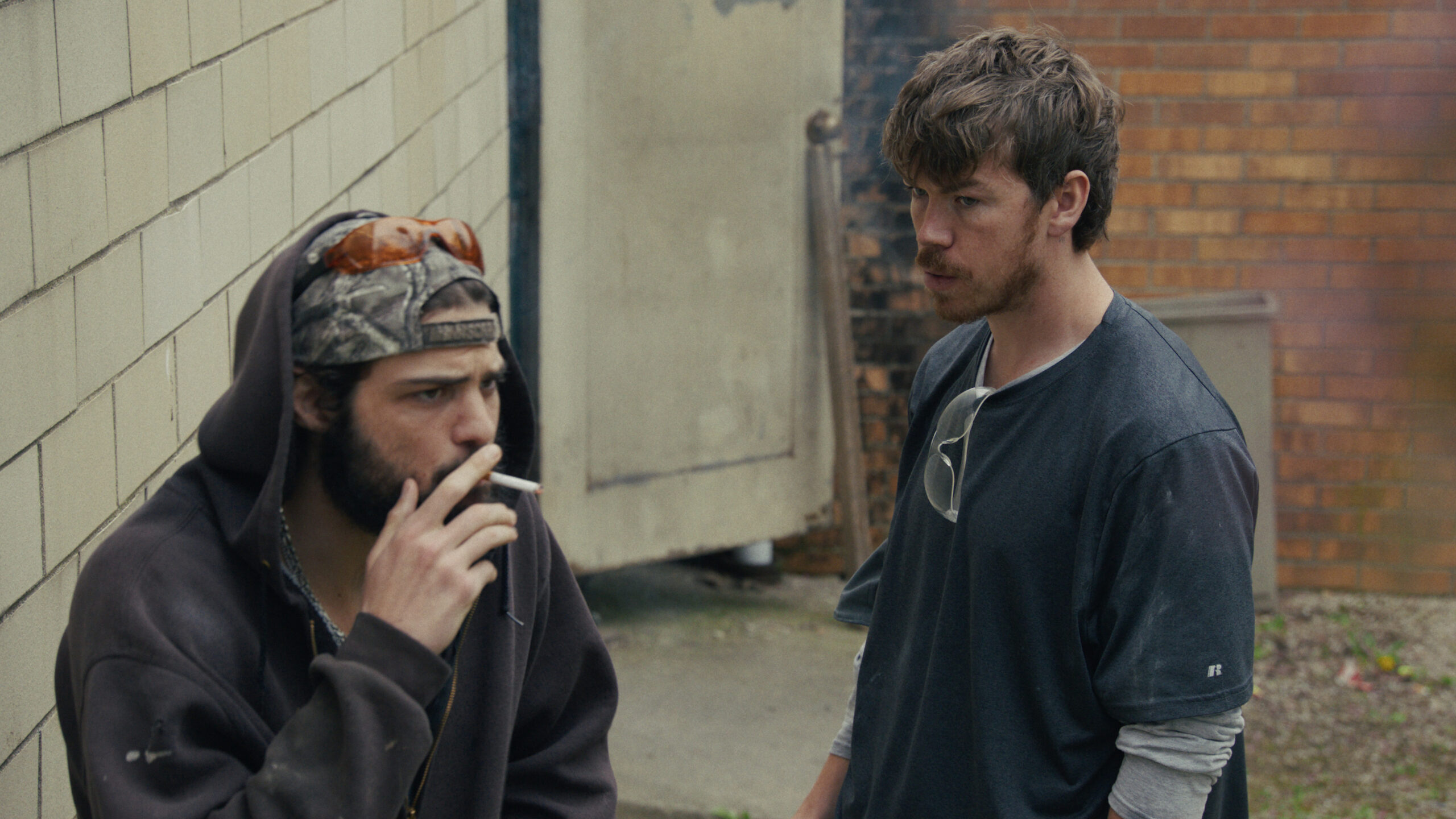
Mandated to an adult recovery court in rural Ohio, Cody Parsons (Will Poutler) reunites with his foster brother, Jack (Noah Centineo), also a participant of the program.
Meek, meager and seemingly void of purpose, Cody is the complete opposite of the vivacious, wide-smiling Jack, who can just as easily help his brother build a new life as he can bring them both back down the wrong path.
The two contrasting depictions of how addiction impacts a variety of personalities and weighs differently on each psyche are a credit to Meeks, both as a writer and director.
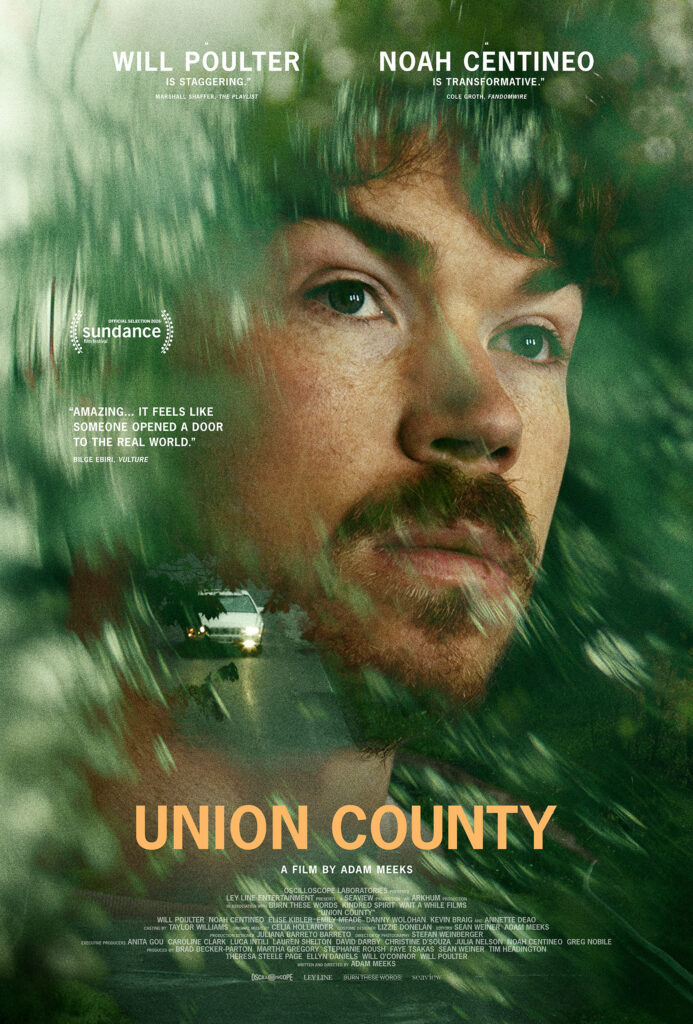
Poulter’s (“We’re the Millers,” “The Maze Runner”) ability to express immeasurable, giddy joy in the quiet and mundane as well as anxiety-ridden despair during near-unavoidable relapse is difficult not to empathize with eventually.
Poulter’s thoughtful performance is lost in constantly changing camera techniques as cinematographer Stefan Weinberger was seemingly unable to choose between documentary or feature filming styles. Utilizing both shaky and still camera work on close-ups and unbalanced lighting between scenes distracts from Poulter’s performance and the meticulously developed storyline.
While Poulter is more easily able to slip into his role, Centineo (“To All the Boys I’ve Loved Before,” “The Perfect Date”) appears to be fighting the pretty-boy typecasting he acquired while growing in stardom.
Even though Centineo is meant to portray an addict whose carefree facade hides deeper insecurities, there’s a visible effort to differentiate this performance from his others. But, due to an insufficient amount of screen time, Jack isn’t much more than an untroubled, careless guy who relies on off-screen narration to complete his character.
The costume department also struggled to mask Centineo’s swoon-worthy reputation in this role by turning him into a caricature of addiction. His overly baggy, layered clothes and socks with slides held in stark contrast to others who were dressed in worn, yet typical day clothes.
Ironically, what caused “Union County” to underachieve in bringing a new perspective to sobriety is what caused the fictional aspects of the film to look insincere.
The execution of the main characters comes up short when placed alongside real members of the Adult Recovery Court (ARC) of the Logan County Court of Common Pleas, who played most of the other on-screen program participants.
When participants of this ARC took to the screen, Poutler and Centineo couldn’t replicate the same authenticity as people depicting their own lived experiences in addiction.
Testimonies are given at an adult recovery court near the beginning and end of the film. When the real life participants take to the stand, their natural cadence and mannerisms transport the viewer into the courtroom and into the eyes of those watching people they’ve known all their lives actively work to better themselves.
Addiction recovery is a feat, challenging both self-strength and vulnerability. But living through it and continuing this humility by sharing this journey not only with actors researching a role, but with anyone who watches “Union County” is a testament to their will and is visible in every scene.
“Union County” is available to watch in select theaters.