Writer Sophie Wormington argues Rogers Park sidewalks are unsafe for people with disabilities.



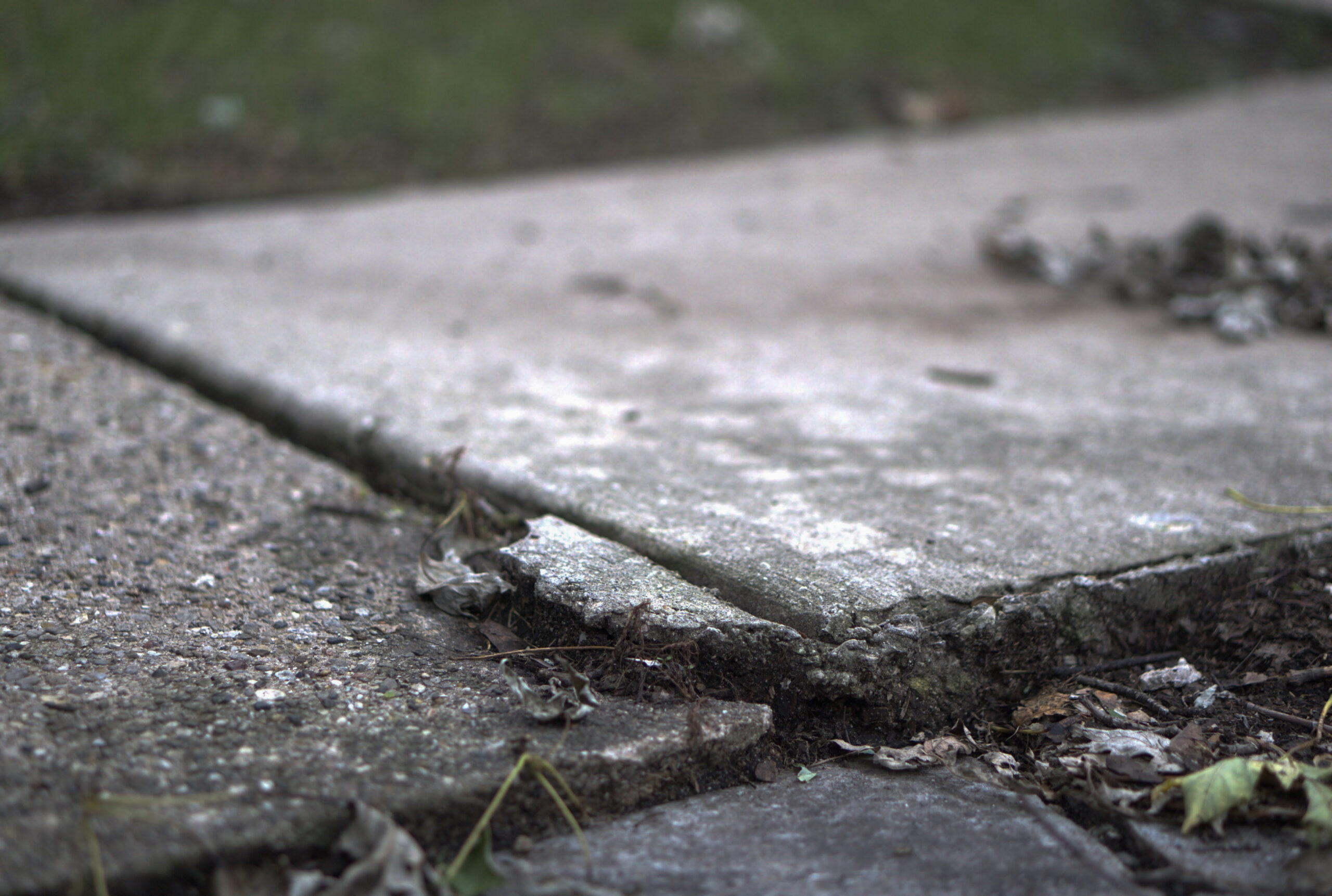
The sidewalks in Rogers Park are a magnet. It doesn’t matter what shoes I wear, the speed I’m walking or if I’m looking at the ground. I somehow always end up tripping. Walking around campus has become a fight with gravity.
However, for an individual with a mobility issue, it isn’t as simple as falling once and getting back up again. As a cane and wheelchair user, I’ve found I can’t go out some days, simply because the neighborhood is near impossible to navigate.
Chicago’s city ordinances are little help in these situations. City Ordinance 10-28-540 orders “Every person using the space under any sidewalk shall at his own expense and at all times keep such sidewalk in good and safe condition and repair.”
Essentially, it’s the responsibility of the community to repair their sidewalks, not the responsibility of the city. Chicago will only inspect a sidewalk upon request, which is a process that can take between a few months and a few years.
The sidewalks around campus are noncompliant with federal rules and regulations because of vertical inconsistencies in the concrete. According to the Americans with Disabilities Act, if there’s more than a one-quarter inch of vertical change in a sidewalk without a slope, the sidewalk will fail an audit.
Twenty-one years ago, the Disability Rights Advocates sued the City of Chicago for non-compliance with federal accessibility laws. Chicago settled, implementing multiple safeguards for accessibility, including curb ramps and accessible sidewalks. However, many of those safeguards are no longer present on city streets.
Sept. 10, 2025, four Chicago residents filed a class-action lawsuit against the city due to the disrepair of designated accessible areas. The lawsuit remains open today.
Backed by the Disability Rights Advocates, these individuals cite multiple concerns, with one stating the condition of sidewalks in their area has become so concerning they were almost launched out of their wheelchair into oncoming traffic.
The condition of Chicago’s sidewalks is no longer accidental. It’s a direct consequence of a world designed to exclude those with disabilities.
This phenomenon is illustrated through the social model of disability, which documents how a person’s environment, both physical and social, creates a barrier to accessibility.
A disability is no longer the primary issue in this struggle for inclusivity — it’s the inequitable treatment of people with disabilities.
Solving the sidewalk quality of Chicago requires a major overhaul of the way the city operates in terms of construction, inspection and information collection. This is a huge ask for one of the largest cities in the nation, considering the current backlogs of accessibility complaints.
While it seems almost impossible to solve Chicago’s infrastructural accessibility issues, citizens can create change little by little by submitting inspection forms when the sidewalk seems unfit for those with limited mobility.