College students often resort to the monetization of their hobbies in order to pay for expenses while at school.



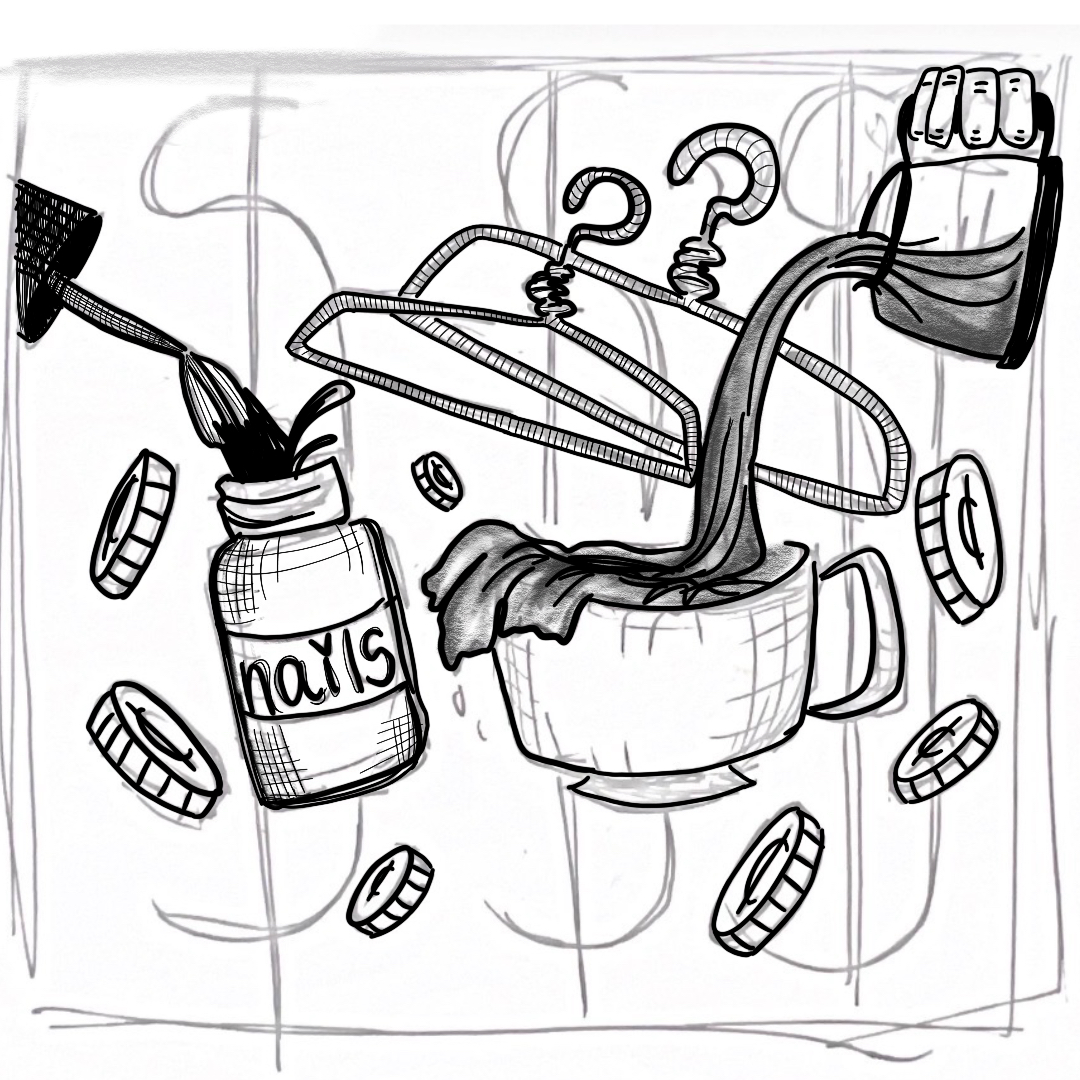
How do I make an extra $100 this week before the bursar’s office puts my account on hold again?
The need for alternate sources of income has escalated as inflation continues to consume working America. The U.S. consumer price index inflation increased by 0.4% in just one month, while the change in real average weekly earnings within the same timeframe increased by only 0.16%.
With nonlinear rates, it can be hard to sustain an enjoyable lifestyle without engaging in unconventional occupations. For college students, it’s fulfilling to have extra money for going out with friends and indulging in personal interests, but tuition and the newfound expenses that come from living independently can often suppress the freedom to hold onto such funds.
In facing this dilemma of fun versus funds, many young adults have transformed their beloved hobbies into supplemental sources of income, creating a connection between gratifying work and monetary benefit.
By doing things like painting nails or selling clothes, students can convert creativity into cash. The multifaceted process through which these endeavors succeed, however, may lead students to wonder whether the traditional part-time job reaps a similar reward for less effort.
Part-time jobs offer the security of an established base income, guaranteed hours and an introduction to time management, problem-solving and collaborative skills. Comparatively, side hustles provide no guaranteed income, require initial monetary investment and oftentimes involve more effort for the compensation they produce.
When starting a small business, a major consideration should be the target audience for the product.
College students with side hustles should keep in mind their peers are most likely the ones who will buy their goods or services — or even pose competition — so their prices must begin exceedingly lower than they wish to charge once established.
In a typical part-time job, employees begin with a specified income that doesn’t usually increase unless they advance positions. Once small business owners develop a stable clientele, they begin to see profit for their initial investment and are eventually able to increase their product’s cost.
When established, side hustles engage in the “uncapped earning potential” model, meaning the more time they devote to the business, the more lucrative it becomes. They obtain more control over their income, whereas part-time employment reserves control for its employers.
Additionally, a healthy work-life balance can be easier to develop under self-employment, whereas part-time employment places students’ schedules at the mercy of their employers. Small business owners may easily reject product orders if their schedule demands it, or if they have a large clientele, they have the versatility to accept extra work as they please.
Calling off work or requesting more hours is less of a simple decision under part-time employment, as the schedules of other employees are also taken into consideration. Because of this, students are often left in a stalemate of not enough or too many hours if their occupation lacks flexibility, risking job loss if they take too many hours off.
Regardless of which one a student should pursue, both sources of income produce valuable skills and benefits for a professional resume post-graduation; however, developing a successful small business while engaged in a rigorous academic schedule may be viewed as a more unconventional, yet more impressive means of attaining work experience.
Including a side hustle in a professional resume may display relevant skills that directly align with a desired occupation. In comparison, a typical retail or food service job may exhibit useful workplace skills, but lack the field alignment that employers could be searching for.
Converting a personal interest into supplemental income is often derived from passion. These side hustles are born out of beloved skills, and by turning passion into profit, students are additionally exposing their talents to a larger demographic, presenting them as something to be proud of.
The opposition may claim turning hobbies into businesses can extract the joy they once brought, but by monetizing a skill of personal value, students have intrinsic motivation to invest in its success, as they’re more likely to continuously engage in work they enjoy, rather than work they’re forced to complete.
As expenses continue to rise, students are encouraged to find alternate means of financing college life. While part-time jobs aren’t futile, side hustles offer a unique opportunity to foster the creativity of young adults in multi-beneficial ways, while still providing them with skills to prepare for professional careers.
The rise of side hustles is not one to fear, but perhaps to indulge in, provoking a challenge for young adults to dig deep into their creative minds and find something that may be worth the price.