Historically, lesbians have been caricatured and discriminated against, even by their own community.



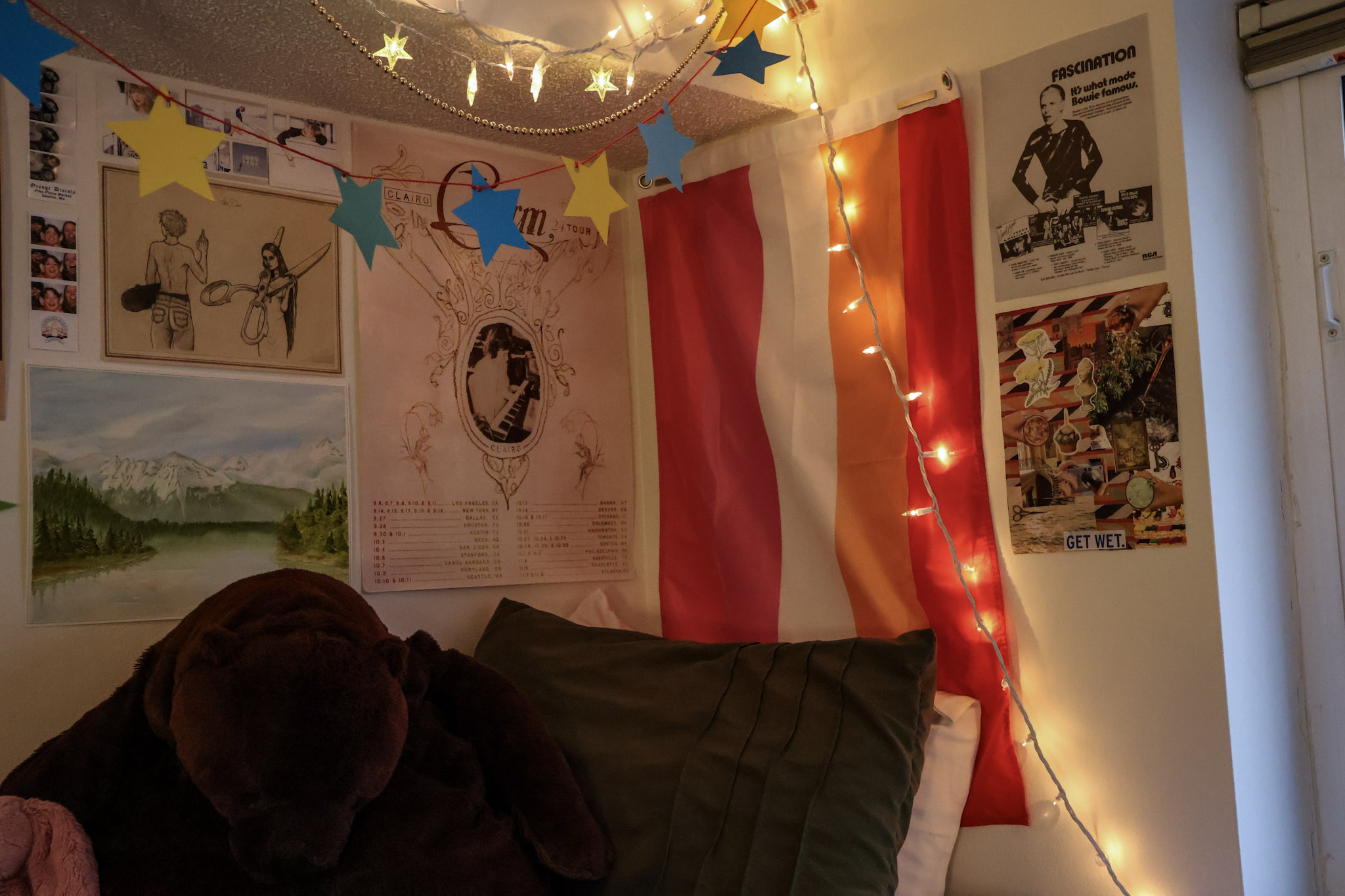
In Chicago, there are 36 gay bars. Only two of these are lesbian bars.
This disproportionate trend replicates itself across the country, with 750 gay bars nationwide and only 36 lesbian bars.
One bar in particular has been recently thrust into the spotlight.
When the Boston Globe covered a story on Last Ditch lesbian bar, colloquially known online as the “COVID-conscious lesbian bar,” and how they modified their N-95 mask requirements from seven to six days of the week, the internet quickly latched onto the story.
The response wasn’t overtly positive or supportive, with users commenting about how funny of a read it was and how parody-like the situation felt, some even going so far as to call everyone involved with the bar mentally ill.
The focus shouldn’t be the specific events of what went down at Last Ditch. Instead, it should be on why both queer and non-queer society — essentially, all non-lesbians — feel so comfortable ridiculing lesbians.
With the recent success of HBO’s “Heated Rivalry,” a TV series centering around two queer men in the fictional Major League Hockey, the LGBTQ+ community seems to have garnered more positive attention. The show’s popularity skyrocketed after its release, pulling 30 million streaming minutes in its opening week and climbing to over 324 million minutes by late December 2025, according to The New York Times.
Only a few months later, Netflix announced season five of its series “Bridgerton” would center around two queer women, the show’s first leading LGBTQ+ couple. Given the success of a story like “Heated Rivalry,” one would expect an overwhelmingly positive audience response.
On the contrary, the show received an obscene amount of backlash for the choice. The comments were filled with both homophobic and racist commentary about the two women, with many fans declaring they wouldn’t watch the show anymore.
It begs the question — where were all the “Heated Rivalry” fans when it came to supporting a queer couple of the opposite gender?
This selective allyship of both the general public and the queer community itself extends beyond just LGBTQ+ media.
In many online queer spaces, the boundaries of the lesbian label are constantly under debate. This was recently brought to the forefront of queer pop culture when singer-songwriter King Princess posted on TikTok she had engaged sexually with men when she was bored, but still called herself a lesbian and refused the label of bisexual.
Whether King Princess is truly bisexual or lesbian is irrelevant. The fact that remains is the label of lesbian is constantly and disproportionately under fire in comparison to gay men.
There’s a phenomenon in which many who identify as lesbian will choose to call themselves just “queer” or “gay” instead of using the word “lesbian,” creating a stigma around it.
Often this is in an effort to avoid lesbophobia, but doing so furthers sapphic erasure in modern society, pushing mainstream media to now prefer the term “queer” and rendering lesbians even more invisible.
It’s vital to remember the reason why lesbians come first in the LGBTQ+ acronym.
In the queer rights movement of the 1980s, the community was often referred to by the acronym GLBT — gay, lesbian, bisexual, trans — with the word “gay” used as an umbrella term for all queer people.
The AIDS crisis of the time disproportionately affected gay and bisexual men. Because of this, lesbian women both nationally and globally stepped up to support the members of their community who were suffering, holding blood drives that went directly to anemic HIV/AIDS patients.
Due to international lesbian activism, the acronym LGBT began to grow more in popularity by the 1990s, and it has since evolved to expand and include more identities while still putting lesbians at the forefront of LGBTQ+.
To be a lesbian is a distinctly unique identity which necessitates its own struggles often distinct from other identities in the queer community. It means one’s relationships don’t center men and automatically politicizes one’s identity.
Lesbianism is an outright rejection of patriarchy, resulting in an increase in both misogyny and homophobia toward lesbians. Combined with popular culture’s tendency to create caricatures of lesbians in the media, it makes their existence stressful.
It’s time to address the misogyny prevalent both within the LGBTQ+ community and among its allies. Lesbians have worked hard to support the queer community and deserve to be supported in return, not shunned based on misogyny.
Everybody wants a gay best friend. It’s time to start wanting a lesbian best friend, too.