The event was a celebration of Latine Heritage Month hosted by CSIB as part of its broader Mosaic Cultural Initiative.



When biology major Hanniah Gutierrez Mascareno first arrived at Loyola, she struggled to find where she fit in.
Now a second-year and Center for Student Inclusion and Belonging (CSIB) Mosaic Student Representative, Mascareno drew from the isolation of her first-year experience as she worked to organize ¡Somos un Mosaico!, an event hoping to create a welcoming environment like she’d once hoped to find.
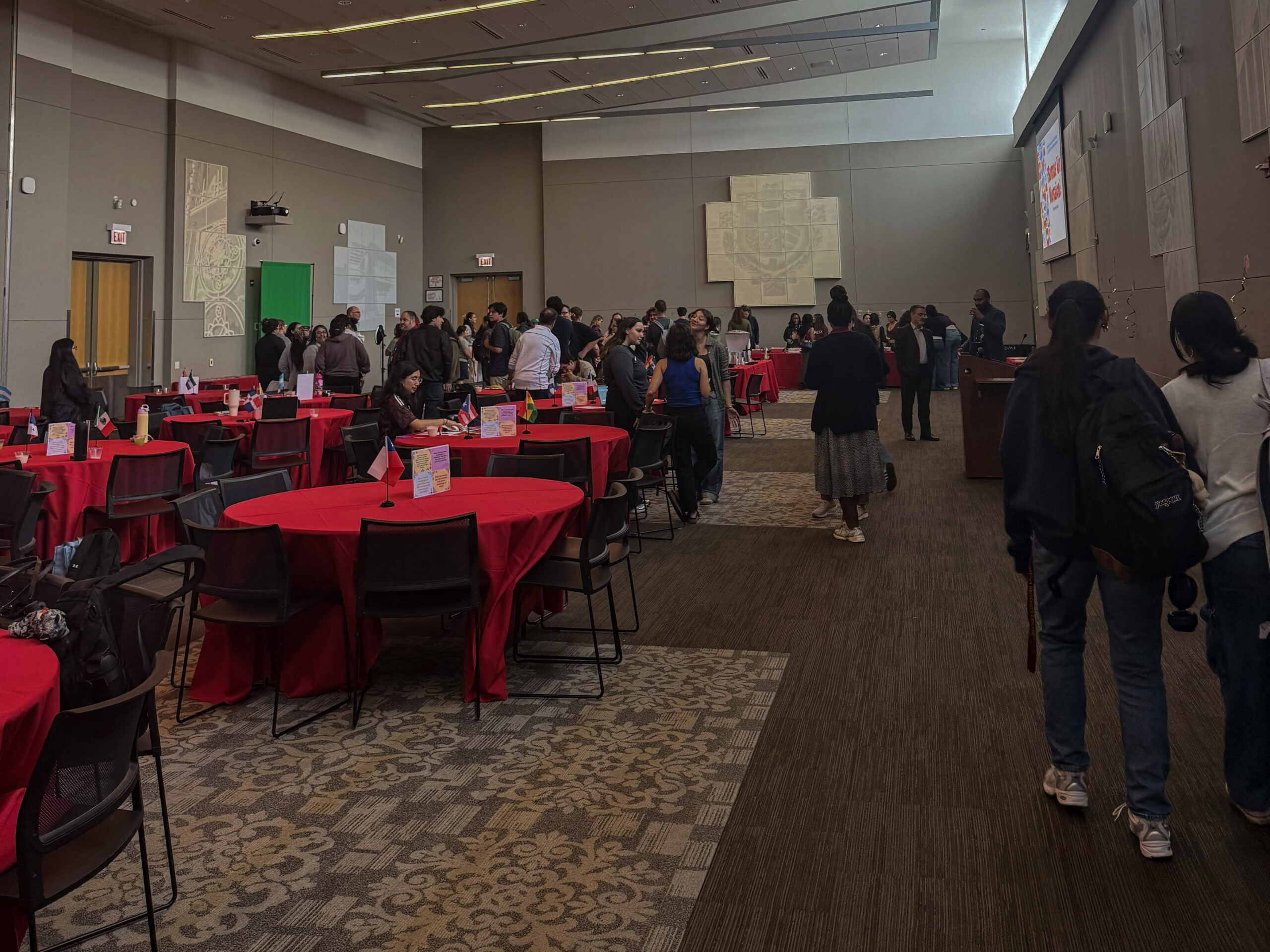
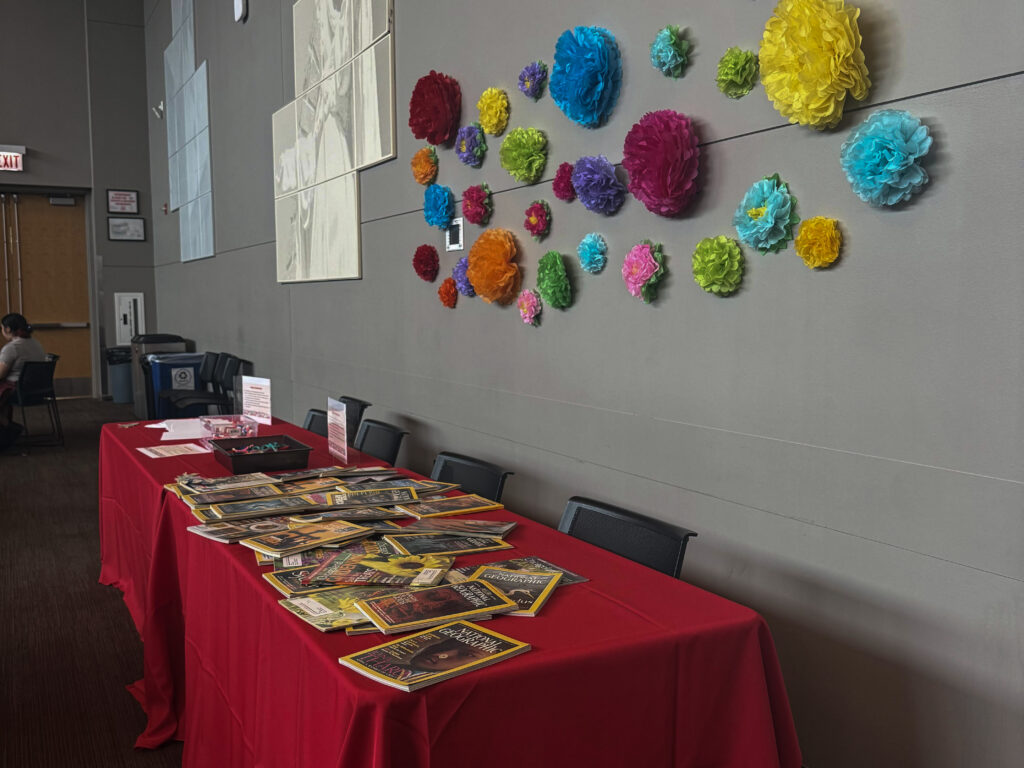
Loyola students and staff from Latine and other cultural communities gathered Sept. 17 for the event — a celebration of Latine Heritage Month put on by CSIB as part of their broader Mosaic Cultural Initiative.
The initiative focuses on fostering a sense of belonging, pride and empowerment for students of all cultures at Loyola, focusing on issues within inclusion and belonging like cultural identity, advocacy, community building and the creation of spaces to explore and celebrate culture, according to the Mosaic Cultural Initiative’s webpage.
The event consisted of speakers, cultural food, Latine flag displays and an interactive activity where students were invited to create their own mosaic of identity out of newspaper articles, colored paper and other scraps and materials. Students were able to create an image of their identity piece by piece by combining colors, words and images that reflected the different parts of them that work together to create their identity.
“Loyola is made up of beautiful students,” Mascareno said. “We have a lot of immigrant students, international students, and I just don’t want them to feel left out like I was when I first came here.”
Hispanic or Latino identifying students make up close to 21% of Loyola’s student body according to enrollment data.
Although Latine students make up a large part of the Loyola demographic, Mascareno told us for some students, finding a place where they feel represented and included can be difficult.
Hispanic Heritage Month isn’t just about events with food and cultural displays, but rather, an essential part of who Latines are and how they connect with both the Latine and the Loyola community according to Mascareno.
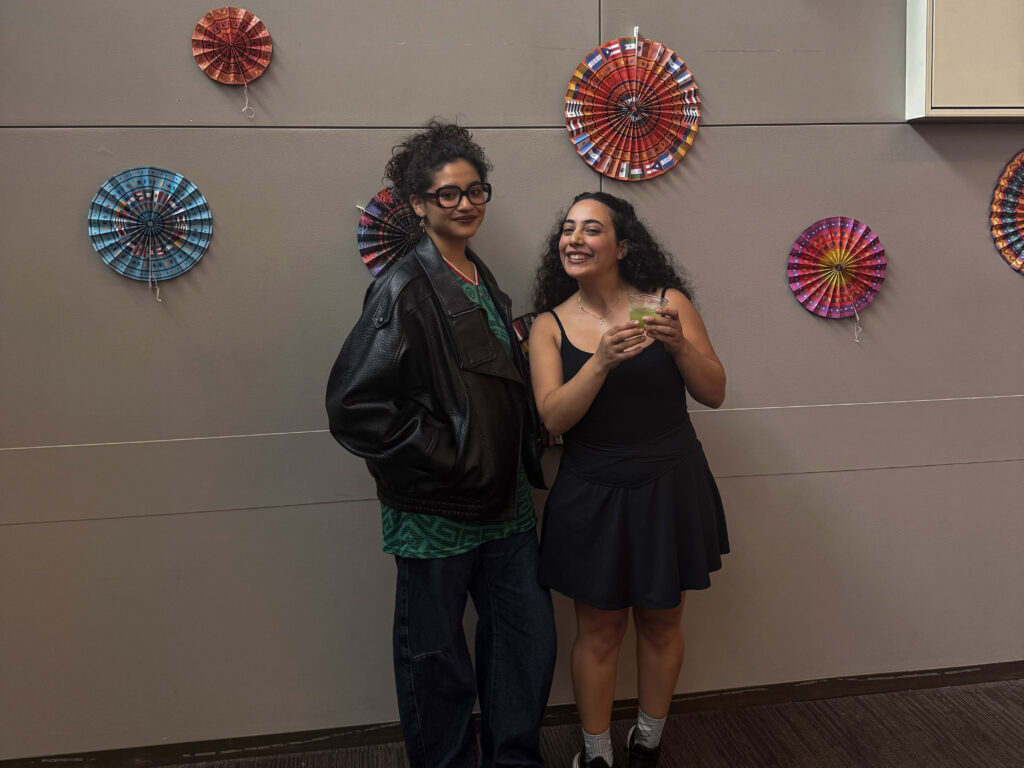
Assistant Director of Campus Ministry for Faith Communities Aleja Sastoque was involved with the production of ¡Somos un Mosaico!. She said finding a solid community can make the difference as students are able to fully accept and celebrate their unique identity.
“I think we Latinos suffer a lot from imposter syndrome,” Sastoque said. “I’m not from here or there, I’m from everywhere.”
While finding this community is an important way for students to feel less isolated, Mascareno said the Loyola community has room to grow in their cultural acceptance and inclusion.
Mascareno said she thinks many Latine students are weighed down by and often moved to internalize harmful stereotypes and racist preconceptions that affect their ability to connect with those around them.
“The biggest thing about the Latine community is that we tend to use the stereotypes that are inflicted on us to separate us, and it can even cause other communities to pick a side and divide,” Mascareno said.
Programming like ¡Somos un Mosaico! provides a unique outlet for students of differing backgrounds to come together to learn, educate each other and promote inclusivity through increasing awareness and unity according to Mascareno.
The event featured remarks from Wendolyn Gomez, executive assistant to the dean, who gave a speech centered around the experiences of her fellow Latine Loyola community members.
Sastoque said although cultural identity within the Latine community is strong and worth celebrating, each Latine student at Loyola has a unique experience with their identity.
The event reflects broader efforts by CSIB to create opportunities for students to engage with their peers of differing cultures and identities — especially those that’ve been historically overlooked. In Mascareno’s eyes, Latine isn’t only a term, but a reflection of culture and experience, both individual and shared.
“Latine is kind of like having everyone in the same space and accepting everyone as they are,” Sastoque said. “It’s unity.”