This week, the opinion editors tackled the debate between the better listening format: playlists or albums.



Playlists
By Sadie Harlan
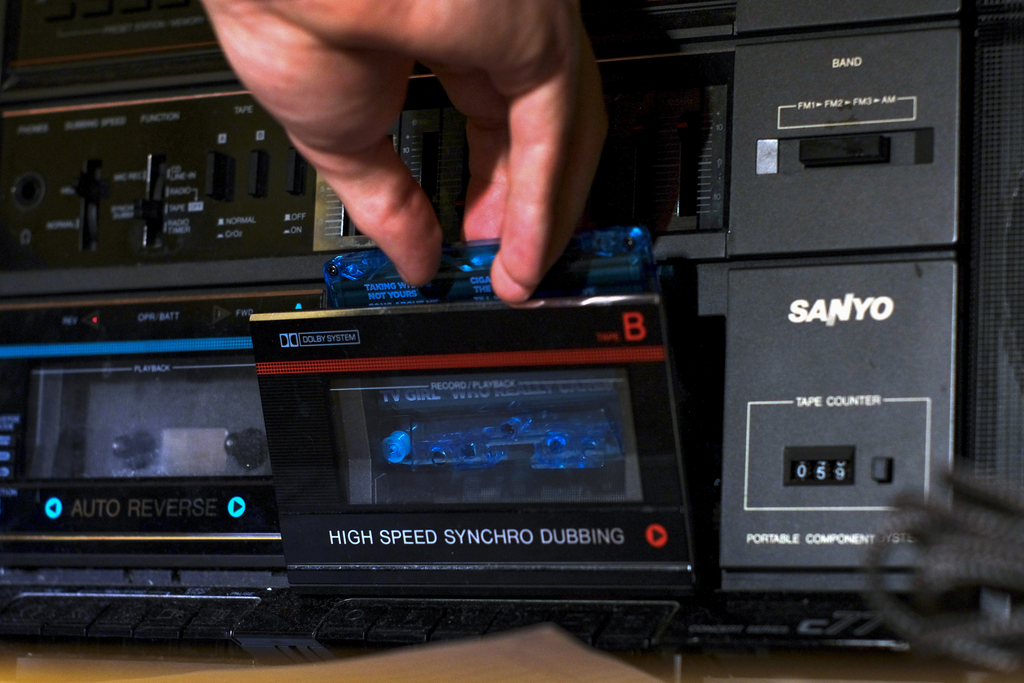
The art of the playlist has long been a staple in the lives of many music listeners, beginning with mixtapes in the 1960s. The concept of creating an amalgamation of favorite and sentimental music with the intention to share it with others, play at parties or simply enjoy alone was an immediate hit with music listeners, especially when it came to genres like hip-hop.
Creating playlists isn’t just practical, but meaningful. Burning a CD, making a mixtape or creating a playlist for a loved one has become increasingly popular as a gift and a representation of the time and effort put into maintaining a relationship.
While today’s young listeners may not be creating mixtapes for cassettes or tuning in on a CD player, they use streaming services to similarly curate a collection of songs and albums to listen to on repeat.
Playlists often carry more personal significance to the listener than albums. For many, a playlist follows a particular mood or season, with music reflecting the creator’s attitude toward it — unlike an album, which only truly reflects the view of the artist.
Additionally, playlists are a wonderful way to listen to music without skipping songs that may not match the mood or attitude of the listener. If they only like two songs out of an album, they’re able to listen to them alongside other favorites, darting between artists and songs instead of deliberately skipping through an album.
Sure, music artists may not always create music with the intention of picking and choosing songs for a separate listening experience, but it’s hard to deny the importance of playlists when it comes to the value they hold for music listeners today.
Albums
By Carlos Soto-Angulo
Playlists give listeners the freedom to choose what they want to hear, yes, but albums offer something a shuffled collection of songs can’t: deliberate artistic expression. From the opening seagull mew featured on Bad Bunny’s “Moscow Mule” to the closing rung-out guitar note on The Smashing Pumpkins’ “Luna,” an album allows musicians to develop a sound, tell a story and establish a theme that unfolds over time.
Albums have long shaped music culture by turning individual songs into parts of a larger narrative.
Pink Floyd’s “The Dark Side of the Moon” explores themes of greed, mortality and mental health through connected songs and seamless transitions. Neutral Milk Hotel’s “In the Aeroplane Over the Sea” is an exploration of a lover’s desire to merge with the loved one, according to the band’s frontman Jeff Mangum himself.
Both of these albums’ carefully constructed sequences create a listening experience that can lose its value or meaning when separated into unrelated playlists, like the TikTok-famous Losercore Playlist.
Albums also encourage listeners to step out of their comfort zones. For the last 20 or so years, playlists have made it easy to skip unfamiliar songs or switch artists after a few seconds. Listening to a complete record front to back — or A-side to B-side — requires patience, allowing slower or dissonant tracks to resonate.
A song that initially seems forgettable might become a listener’s favorite after repeated listens, especially when heard in its intended context.
The convenience of playlists can also reduce music to a mere collection of hits. With more than 100 million tracks available on Spotify alone, listeners can be quick to pick and choose three or four songs off an album and never listen to the complete project.
Of course, playlists remain useful for discovering music, sharing favorites and creating soundtracks for everyday life — but even soundtracks are carefully thought-out albums fit to serve a film’s purpose.
Convenience, though, shouldn’t come at the expense of artistic expression or appreciation.