How living like Anthony Bourdain could be the fix for the loneliest generation.



Content warning: drug use
“I believe in some basic virtues, you know? Mercy, humility, curiosity, empathy,” Anthony Bourdain said in his last formal interview.
Bourdain missed one of his most important virtues, though — the one that propelled him into notoriety as a world-famous author and prominent TV host.
His honesty.
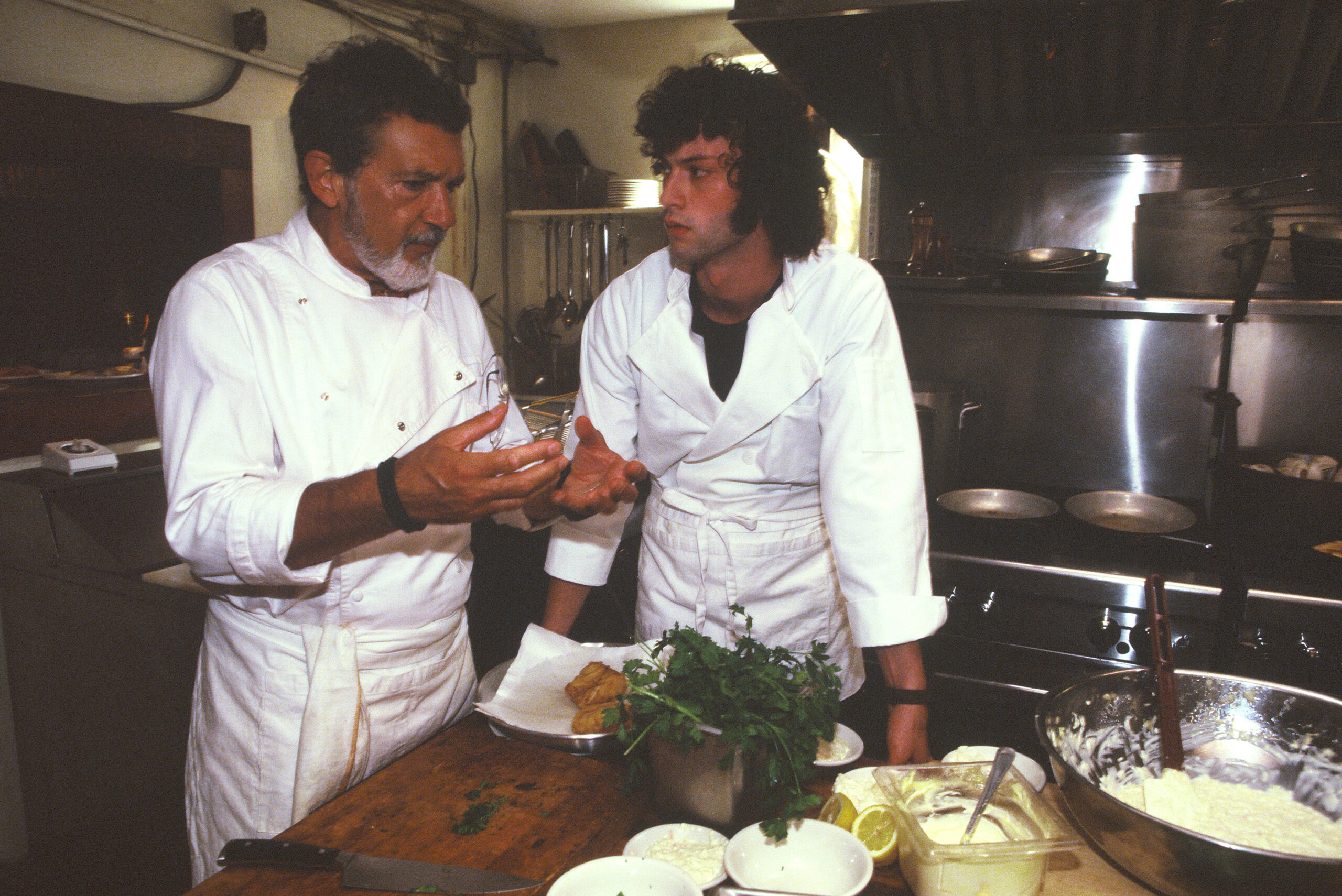
Bourdain published his New York Times bestseller “Kitchen Confidential: Adventures in the Culinary Underbelly” in May of 2000 at 44 years old. The book offered an honest look into both the unseen parts of the professional kitchen world and the struggles of his own life.
Between tips and tricks of patronage and tales from the gritty life of being a chef, Bourdain told his own story of addiction and growth. He wrote about his longtime battles with drug use, a topic prevalent in his recent biopic “Tony.”
Instead of people being repelled by his story, readers praised him as a prolific writer and chef unafraid to be fully open to the world.
Through the fame of his book, Bourdain went on to host many TV shows, the most famous being “Anthony Bourdain: Parts Unknown” and “Anthony Bourdain: No Reservations.” Both were culinary documentaries where Bourdain traveled the world to engage in culture, meet people and — most importantly — eat.
But almost eight years after he died in 2018, there’s been a resurgence in clips from his shows highlighting his life philosophy — and Gen Z has a lot to learn.
The United States is currently in the throes of a loneliness epidemic, which can increase premature death by 26%, according to the U.S. Surgeon General. This is especially important for Gen Z, as they’re often referred to as the loneliest generation.
So how can living like Anthony Bourdain fix the most solitary generation in history?
An 80-year-long Harvard study on mental health said relationships were one of the strongest indicators of happiness in one’s life.
Bourdain led in connection, his time more often than not spent sitting at a table having conversations, eating food and learning about someone new.
What’s the secret to growing connections like Bourdain did?
The key is taking time to find personal virtues and use the outline Bourdain has already laid down.
The American Psychological Association advises a series of small but daily mental practices and beliefs to better grow one’s strengths in empathy and humility. Some of those suggestions are willingness to grow, exposing yourself to difference, reading fiction and asking questions.
Psychology Today attributes a decrease in both honesty and curiosity to stress and fear, respectively. Stress turns off the brain’s ability to explore, and fear prevents us from speaking our truth.
Author Jeff Wetzler, Ed.D, says microdosing small psychological cues — like repeatedly questioning personal assumptions — can allow us to feel more secure in curiosity, while Rev. Nancy Colier, LCSW, states finding inner non-negotiables in truth can allow one to better understand when and how to overcome fear in honesty.
So, Gen Z has some homework.
Get off the phones, step outside and lead each day with the drive to grow connections with those closest. Learn the importance of mercy, curiosity, honesty, empathy and humility in relationships.
Start living like Anthony Bourdain.